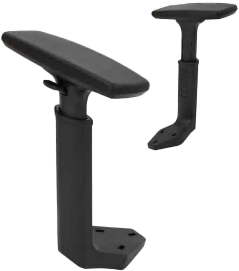
A 2D chair armrest is an adjustable arm support component that moves along two independent axes, height and depth, allowing users to tailor arm position without repositioning the entire chair. For office furniture manufacturers, gaming chair brands, and OEM/ODM seating buyers, selecting the right armrest directly affects perceived build quality, ergonomic compliance, and long-term customer satisfaction. Unlike fixed or single-direction arms, 2D systems accommodate a wider range of desk heights, body types, and working postures. This guide breaks down the armrest types, application scenarios, performance criteria, and installation considerations that procurement and design teams should evaluate before specifying a component for a chair program.
Adjustment Axes Height + Depth
Common Chair Types Office + Gaming
Mounting Style Universal Base Plate
Types of 2D Chair Armrests
A 2D chair armrest is defined by which two directions it adjusts along, and manufacturers typically group designs by adjustment mechanism rather than material alone. Understanding the types of 2D chair armrest adjustment features helps buyers match a component to the correct chair category before committing to a production run.
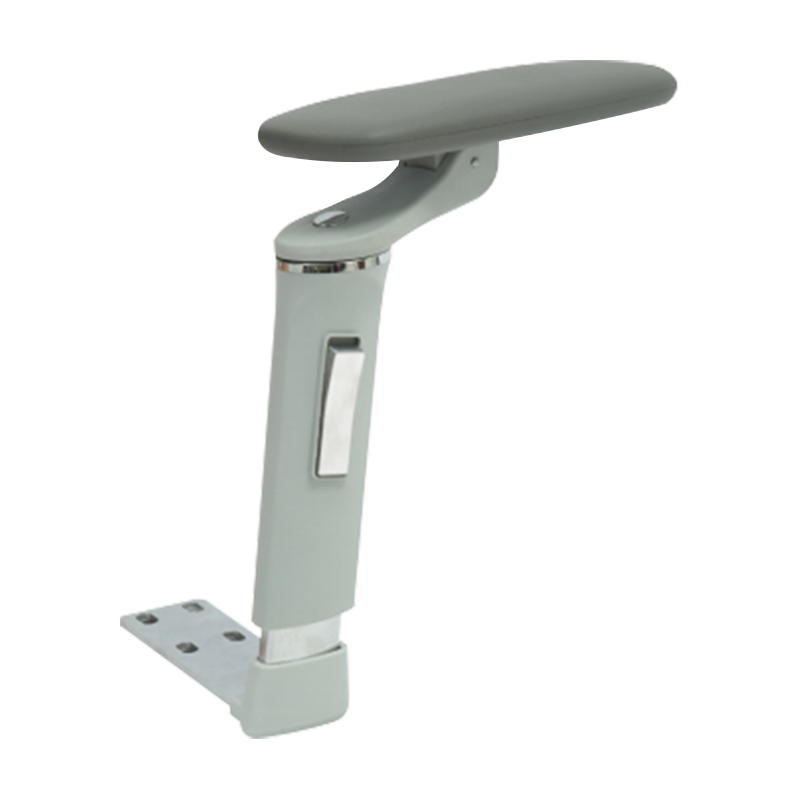
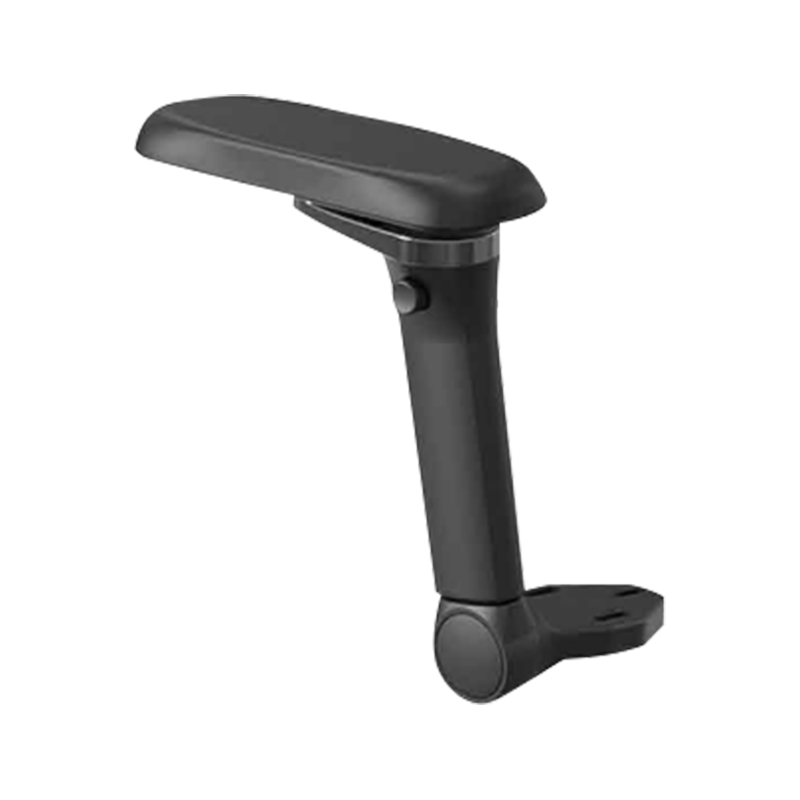
- Height-and-depth sliding armrests. The most common configuration, using a telescoping post for vertical travel and a sliding pad carriage for forward and backward positioning. This is the baseline used in most office chair armrest replacement kits.
- Pivot-lock armrests. These combine height adjustment with a rotating pad that locks at fixed angles, giving limited depth-equivalent flexibility for users who need lateral arm placement rather than pure front-back travel.
- Quick-release armrests. Designed for gaming chair armrest parts programs, these use a spring-loaded button for height changes and a toolless slide rail for depth, prioritizing speed of adjustment over fine incremental control.
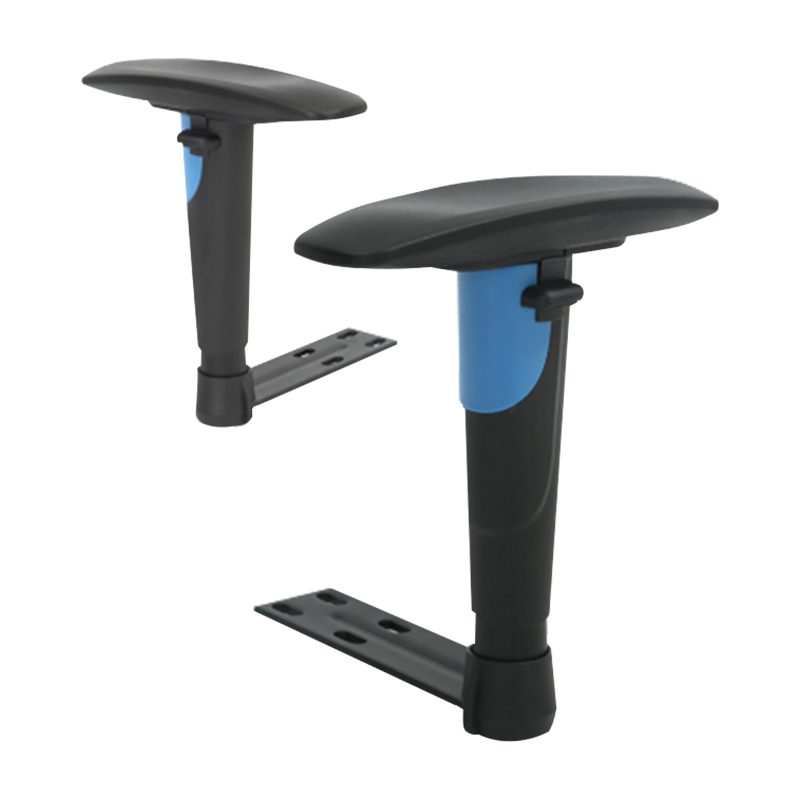
- PU-padded 2D armrests. Any of the above mechanisms can be paired with a PU armrest pad, which is molded polyurethane foam under a synthetic or genuine leather skin, offering a firmer, more consistent surface than gel or foam-only pads.
Ergonomic arm support systems built on a 2D platform strike a practical balance: they are simpler and less expensive to manufacture than 4D or multi-directional arms, yet they still solve the two adjustment problems that affect the largest share of users, arm height relative to desk surface and arm reach relative to torso position.
Applications of 2D Chair Armrests
2D chair armrests are specified across a wide range of seating categories, from entry-level task chairs to premium gaming setups, because the height-and-depth adjustment covers the two variables that matter most across different body sizes and desk configurations.
Office and Workstation Seating
In office chair components programs, a 2D armrest for office ergonomic chairs is typically positioned as a mid-tier upgrade over fixed arms. Height adjustment lets the user align the armrest with keyboard height, reducing shoulder elevation during long typing sessions, while depth adjustment brings the pad closer to the body for users who sit further back in the seat pan. Ergonomic seating systems used in corporate and hybrid-office environments increasingly specify 2D as the minimum adjustment standard, reserving 3D and 4D arms for executive or specialist seating lines.
Gaming Chair Accessories
Gaming chair armrest replacement parts usage differs slightly from office applications because gaming postures shift more frequently, between keyboard-and-mouse use, controller use, and reclined relaxation. A 2D armrest with a wider depth-travel range accommodates this shifting more effectively than a fixed arm, and quick-release mechanisms are favored in this category since gamers adjust position more often than office workers.
Long-Duration Comfort Applications
An adjustable armrest for long hour sitting comfort matters most in roles involving extended screen time, data entry, customer support, and content creation. Static arm position over many hours contributes to shoulder and neck fatigue, and the ability to fine-tune height even a small amount can meaningfully change muscle loading patterns. Chair arm support for computer workstation setups is one of the few components users interact with continuously throughout the workday, making adjustment range a practical differentiator rather than a marketing feature.
A 2D chair armrest is a seating accessory that adjusts along two independent axes, typically vertical height and horizontal depth, to align arm support with a user's desk height and torso position.
Ergonomic Chair Upgrade Programs
Furniture accessory suppliers frequently see 2D armrests specified as part of ergonomic chair upgrade armrest system offerings, where an existing chair frame is retrofitted with an improved arm module without redesigning the base or backrest. This approach lets brands extend the useful life of an existing chair platform while still meeting updated ergonomic expectations from buyers.
Key Performance Properties Buyers Should Evaluate
Evaluating a 2D chair armrest requires looking past the adjustment count and into the mechanism quality, pad material, and structural support that determine how the component performs over years of daily use.
Height Adjustment
Smooth vertical travel with a locking mechanism that resists slippage under sustained arm weight and repeated use.
Depth Adjustment
Forward and backward sliding travel that holds position without wobble, supported by a rigid internal rail.
Load Bearing Capacity
A post and bracket structure built to handle sustained arm-resting weight without deforming or loosening over time.
Pad Material
Consistent density PU cushioning that resists compression set better than low-cost foam-only alternatives.
Adjustment Range and Stability
2D armrest adjustment range specifications should be assessed for both the total travel distance and the number of stable stopping positions. A wide range with only two or three lock points offers less practical flexibility than a moderate range with fine, evenly spaced increments. Adjustable armrest stability performance also depends on how the sliding and telescoping components are guided internally, loose-fitting rails introduce lateral play that becomes noticeable and irritating over time.
Cushioning and Pressure Distribution
Ergonomic armrest pressure distribution design is primarily a function of the pad, not the mechanism. A PU cushioned chair armrest spreads contact pressure across the forearm rather than concentrating it at a single point, which is particularly relevant for users who rest their arms for extended periods. Soft PU cushion armrest options generally hold their shape better across repeated compression cycles than lower-density foam pads, an important consideration for office chair armrest load capacity standards in commercial and OEM procurement, where components are expected to perform consistently across a multi-year service life.
Build Quality Signals
When comparing suppliers, buyers should request material specification sheets for the internal post and rail components, ask about the pad's foam density rather than relying on surface feel alone, and confirm that height and depth locking mechanisms are rated for repeated daily cycling rather than occasional adjustment. These are practical evaluation steps rather than guaranteed performance claims, and actual results will vary by manufacturing process and material sourcing.
| Adjustment Type |
Axes Covered |
Typical Use Case |
| Fixed Armrest |
None |
Entry-level task chairs |
| 2D Armrest |
Height + Depth |
Standard office and gaming chairs |
| 3D Armrest |
Height + Depth + Width |
Mid-to-premium ergonomic chairs |
| 4D Armrest |
Height + Depth + Width + Angle |
Executive and specialist seating |
Installation and Compatibility Considerations
Understanding how to install 2D chair armrest replacement components correctly prevents the most common post-purchase complaints: wobble, misalignment, and mounting failure.
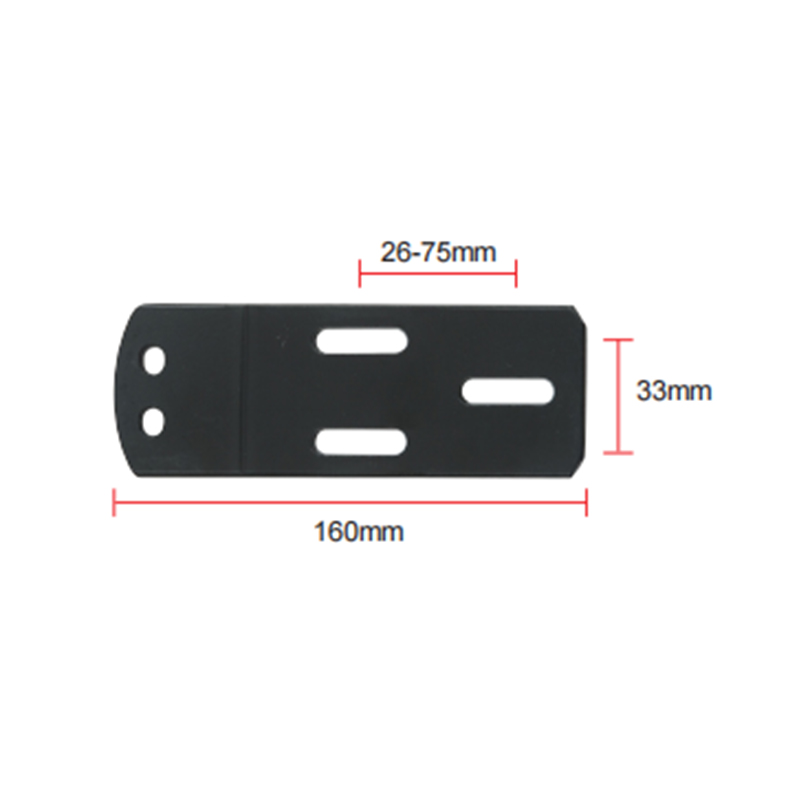
- Confirm mounting patternCheck the screw hole spacing and bracket shape against the chair frame before ordering, since chair armrest screw alignment issues are the leading cause of failed installations.
- Remove the old armrestDetach the existing unit from the seat pan or backrest bracket, keeping original screws in case the replacement kit uses a different thread size.
- Align the base platePosition the new base plate over the mounting holes, checking for compatible armrest sizes for gaming chairs and office frames before tightening.
- Secure and testTighten fasteners evenly on both sides, then cycle the height and depth adjustments through their full range to confirm smooth, wobble-free movement.
Chair mounting system compatibility is not universal across all brands, even when a component is marketed under universal chair base compatibility language. Screw hole alignment armrest kits generally fall into a small number of common patterns, but buyers sourcing for OEM/ODM programs should always request a compatibility check against their specific frame drawings rather than assuming fit based on chair category alone. Universal ergonomic chair armrest installation steps also vary slightly depending on whether the armrest mounts to the seat pan, the backrest frame, or a dedicated arm bracket, so confirming the mounting location early avoids reordering delays.
FAQ
What is a 2D chair armrest?
A 2D chair armrest is an arm support component that adjusts along two independent axes, height and depth, letting users align the pad with their desk and body position.
What does 2D adjustment mean in armrests?
2D adjustment refers to two directions of movement built into the armrest mechanism, most commonly vertical height travel and horizontal depth travel, as distinct from fixed arms or higher-axis 3D and 4D systems.
Are 2D armrests good for gaming chairs?
Yes, 2D armrests are widely used in gaming chairs because height and depth adjustment cover the most frequent postural changes during gaming sessions, and many gaming-focused kits add quick-release mechanisms for faster repositioning.
Can chair armrests be replaced?
In most cases yes, provided the replacement armrest matches the chair's mounting pattern and bracket type. Confirming screw hole spacing and base plate shape before ordering is the key step in a successful replacement.
What is the difference between 2D and 3D armrests?
A 2D armrest adjusts height and depth, while a 3D armrest adds a third axis, typically width, allowing the pads to move inward and outward to match shoulder width in addition to height and depth.
How do you fix loose chair armrests?
Loose armrests are usually caused by worn internal rails or under-tightened mounting screws. Re-tightening the base plate fasteners resolves most cases; persistent looseness in the sliding mechanism typically indicates the internal guide rail needs replacement rather than adjustment.
Final Thoughts
Choosing the right 2D chair armrest comes down to matching the adjustment mechanism, pad material, and mounting pattern to the target chair platform and end-use environment. For office and gaming chair programs alike, height and depth adjustment cover the majority of ergonomic needs without the added cost and complexity of higher-axis systems. Buyers evaluating components for OEM, ODM, or replacement-parts programs should weigh adjustment stability and pad durability alongside mounting compatibility to avoid downstream installation and service issues.



 English
  Español
  عربى
عربى 


 Feel free to contact us