


 English
  Español
  عربى
عربى 
How to Choose 3D Chair Armrests for Ergonomic Office Chairs, Gaming Chairs and Adjustable Seating Systems
Content
- 1 What is a 3D chair armrest and how does it improve seating ergonomics?
- 2 What are the main types of adjustable chair armrests?
- 3 Where are 3D chair armrests commonly used?
- 4 What performance features should a 3D chair armrest provide?
- 5 How are 3D chair armrests manufactured?
- 6 How do 3D armrests compare with 2D and 4D armrests?
- 7 What are common problems or limitations of 3D chair armrests?
- 8 What is the future trend of chair armrest technology?
- 9 FAQ
Sitting for long stretches at a desk or in front of a screen puts continuous strain on the shoulders, neck, and lower back, and the way a chair supports the arms plays a bigger role in that strain than many people realize. A 3D chair armrest is one of the more effective seating components for reducing this strain, since it allows the arm support to move with the body rather than forcing the body to adjust around a fixed position. This guide covers how these armrests work, the types available, and what to look for when evaluating one for an office or gaming chair.
What is a 3D chair armrest and how does it improve seating ergonomics?
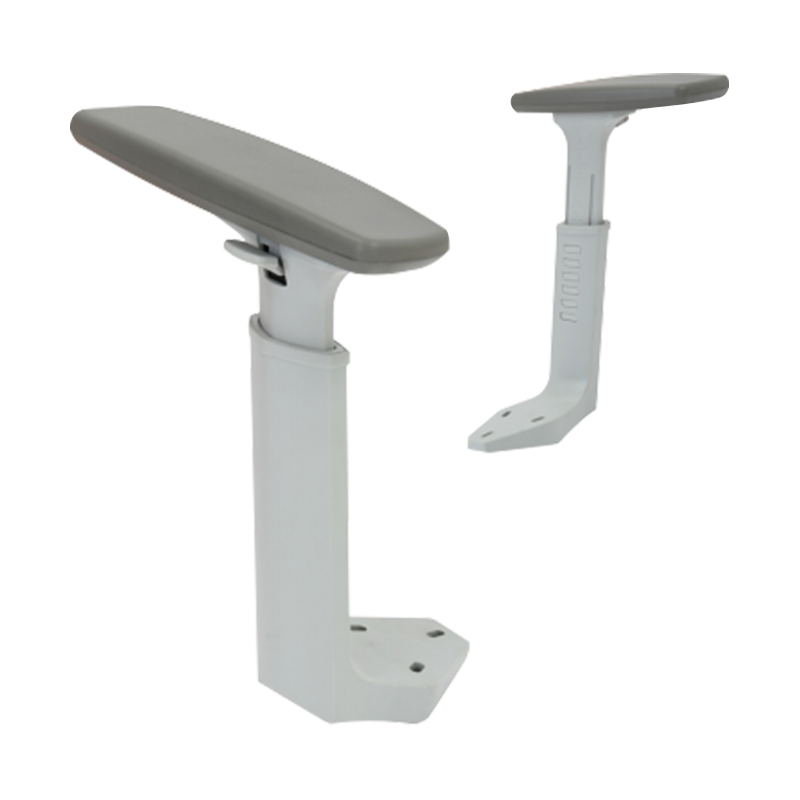
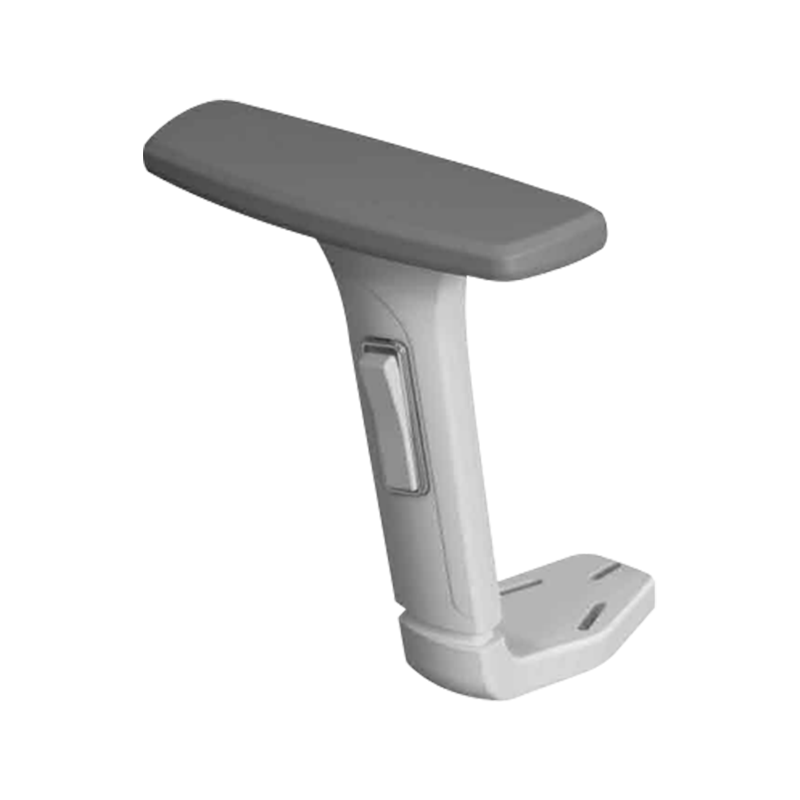
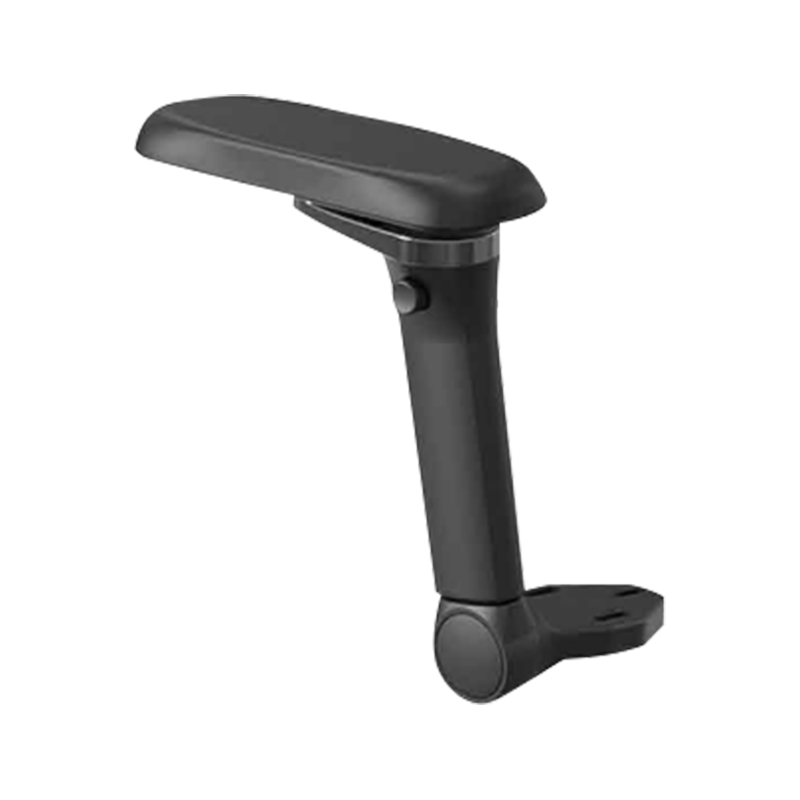
A 3D adjustable armrest is an arm support mechanism that moves in three directions: up and down for height, forward and backward for depth, and side to side for width, allowing the user to position the pad to match their arm length, desk height, and typing posture. This is different from a fixed office chair arm support system, which locks the armrest into a single position that cannot be changed to suit different body sizes or working postures.
The ergonomic chair arm mechanism behind a 3D armrest typically uses a combination of a vertical column for height adjustment, a sliding track for depth adjustment, and a pivoting joint for width adjustment. This multi direction armrest adjustment capability means the same chair can reasonably accommodate a wide range of users and tasks, from typing at a keyboard to resting the arms during a video call. As a seating comfort support component, the armrest works alongside the backrest and seat pan to distribute body weight more evenly, which is one of the reasons ergonomic chair specifications frequently highlight armrest adjustability as a key feature. Over the course of a full workday, small mismatches between arm position and desk height tend to accumulate into noticeable shoulder and neck fatigue, which is precisely the kind of strain that a properly adjusted 3D armrest is designed to reduce.
What are the main types of adjustable chair armrests?
Adjustable chair armrests are generally classified by how many directions of movement they support, which directly affects how precisely they can be fitted to an individual user.
2D armrest vs 3D armrest
A 2D armrest typically allows height adjustment and one additional direction, often width, while a 3D armrest adds a third direction, usually depth, giving the user more precise control over pad position relative to the desk and keyboard.
4D armrest system comparison
A 4D armrest system builds on the 3D configuration by adding a rotating or angling function to the pad itself, allowing the surface to tilt inward or outward to match the natural angle of the forearm during different tasks.
Height adjustable armrest
A height adjustable armrest is the most basic and widely available configuration, allowing the pad to move vertically to align with desk height and reduce shoulder elevation while typing.
Swivel armrest mechanism
A swivel armrest mechanism allows the pad to rotate around a vertical or angled axis, which is useful for tasks that involve reaching across the body or working at an angled desk setup.
Sliding armrest pad system
A sliding armrest pad system allows forward and backward movement along a track, letting the user bring the pad closer for typing or push it back for reading and other tasks.
Where are 3D chair armrests commonly used?
3D chair armrests appear across a range of seating categories where extended sitting time and repetitive arm positioning make adjustability valuable.
Ergonomic office chairs are the most common application, where 3D armrests are paired with adjustable lumbar support and seat depth to accommodate a wide range of body types across a shared workspace. Gaming chairs adjustable arm support has become a standard feature in higher-tier gaming seating, since long gaming sessions involve sustained arm positioning similar to office work, often combined with controller or mouse use that benefits from precise pad placement. Executive office seating frequently includes 3D or 4D armrests as part of a broader set of adjustability features intended to support long meetings and extended desk work. Home workstation chairs have increasingly adopted 3D armrests as remote and hybrid work arrangements have made home seating quality more important for daily comfort. Professional computer chairs used in technical, creative, and administrative roles also rely on 3D armrests to reduce strain during repetitive keyboard and mouse tasks throughout the workday, and in shared office environments this adjustability allows a single chair model to reasonably serve employees of different heights and working styles without needing multiple chair variants.
What performance features should a 3D chair armrest provide?
A well-designed 3D chair armrest needs to combine adjustability with structural durability so that the mechanism continues to function reliably over years of daily use.
The height adjustment mechanism should move smoothly without excessive play, since a loose or sticky mechanism undermines the benefit of having adjustability in the first place. Forward backward sliding support needs to lock securely at the chosen position, preventing the pad from drifting during normal use. Left right pivot rotation should offer a broad enough range to support both narrow typing postures and wider reaching tasks. Soft PU arm pad comfort matters because the pad is in direct, sustained contact with the forearm, and a pad that is too firm or too thin can create pressure points during long sitting periods. Load bearing arm support structure is the foundation that all of these adjustments depend on, since the internal frame and mounting hardware need to support repeated arm weight without loosening over time, and this structural reliability is often what separates a durable armrest from one that develops play and instability within its first year of daily use.
How are 3D chair armrests manufactured?
Manufacturing a 3D chair armrest combines plastic molding, metal fabrication, and padding production to create a mechanism that is both adjustable and durable.
Injection molded plastic frame components are produced for the housing and pad support structure, chosen for a balance of strength and weight.
Steel support bracket structure components are formed and finished to carry the load transferred from the armrest to the chair frame.
Foam padding armrest production shapes and bonds the cushioning layer that will sit beneath the outer pad surface.
The assembly adjustment mechanism stage combines sliding rails, pivot joints, and height columns into a single working unit.
Surface coating finishing process steps apply the outer pad material and any protective coating to plastic and metal components.
Completed armrests are cycled through their full range of motion to confirm smooth adjustment and secure locking at each position.
How do 3D armrests compare with 2D and 4D armrests?
Comparing 2D, 3D, and 4D armrests mainly comes down to how many directions of adjustment are available and how that translates into practical comfort benefits.
| Armrest Type | Adjustment Directions | Typical Use Case |
| 2D armrest | Height, one additional axis | Basic office chairs |
| 3D armrest | Height, depth, width | Ergonomic office and gaming chairs |
| 4D armrest | Height, depth, width, pad angle | Executive and high-adjustability seating |
A 2D vs 3D armrest difference mainly shows up in how well the pad can be positioned for different desk depths and typing distances, since 2D armrests lack independent depth adjustment. A 3D vs 4D adjustability comparison highlights that 4D systems add pad angling, which can better match the natural inward or outward angle of the forearm during typing versus resting. Ergonomic support levels comparison generally favors more directions of adjustment for users who switch between multiple tasks throughout the day, while cost vs functionality armrest types considerations mean that simpler 2D systems remain a reasonable choice for basic seating where extensive adjustability is not a priority. User comfort differences arm systems ultimately depend on individual body proportions and work habits, which is why higher-adjustability options tend to benefit a wider range of users in shared or multi-purpose seating.
What are common problems or limitations of 3D chair armrests?
3D chair armrests add mechanical complexity compared to fixed armrests, and that complexity introduces some specific failure points over time.
Loosening adjustment joints are one of the most frequent issues, since repeated adjustment and daily arm pressure gradually wear the locking mechanisms that hold each position in place. Plastic wear over time affects the housing and internal components of the mechanism, particularly in lower-cost units where thinner plastic sections are used to reduce weight and cost. Mechanism failure arm support problems can occur when internal springs, gears, or locking pins break or disengage, sometimes leaving the armrest stuck in one position or unable to hold any position securely. Limited load capacity armrest situations arise when users lean heavily on the armrest for support while standing up or shifting position, which can exceed the rated capacity of lighter-duty mechanisms. Alignment instability issues can develop when the mounting bracket loosens from the chair frame, causing the entire armrest assembly to wobble even if the adjustment mechanism itself is functioning correctly. In most cases these issues develop gradually rather than appearing suddenly, which means routine checks of adjustment tightness and mounting hardware can catch early wear before it becomes a more disruptive failure.
What is the future trend of chair armrest technology?
Chair armrest technology continues to develop alongside broader trends in ergonomic seating and smart furniture design.
Adaptive posture support technology is being explored as a way to extend the adjustability concept beyond the armrest itself, coordinating arm support with seat and backrest positioning throughout the day. Memory position armrests, which allow users to save and recall preferred settings, are becoming more common in shared workspace environments where multiple people use the same chair. Sustainable furniture materials are increasingly being incorporated into armrest components, including recycled plastics and foam alternatives, as manufacturers respond to broader sustainability expectations in office furniture. AI posture correction chairs represent a more experimental direction, where software-driven feedback could eventually guide users toward healthier arm and shoulder positioning based on real-time data. Together, these developments suggest a gradual shift toward armrests that are not just mechanically adjustable but increasingly responsive to how each individual actually sits and works.
 |
 |
FAQ
What is a 3D chair armrest?
A 3D chair armrest is an arm support mechanism that adjusts in height, depth, and width, allowing the pad to be positioned to match a user's arm length, desk height, and posture.
What is difference between 2D and 3D armrest?
A 2D armrest typically adjusts in height and one additional direction, while a 3D armrest adds independent depth adjustment, allowing more precise pad positioning relative to the desk.
Are adjustable armrests good for posture?
Adjustable armrests can support better posture by allowing arm position to match individual body proportions and desk height, reducing the need to hunch or reach into an uncomfortable position.
Can armrests be replaced on chairs?
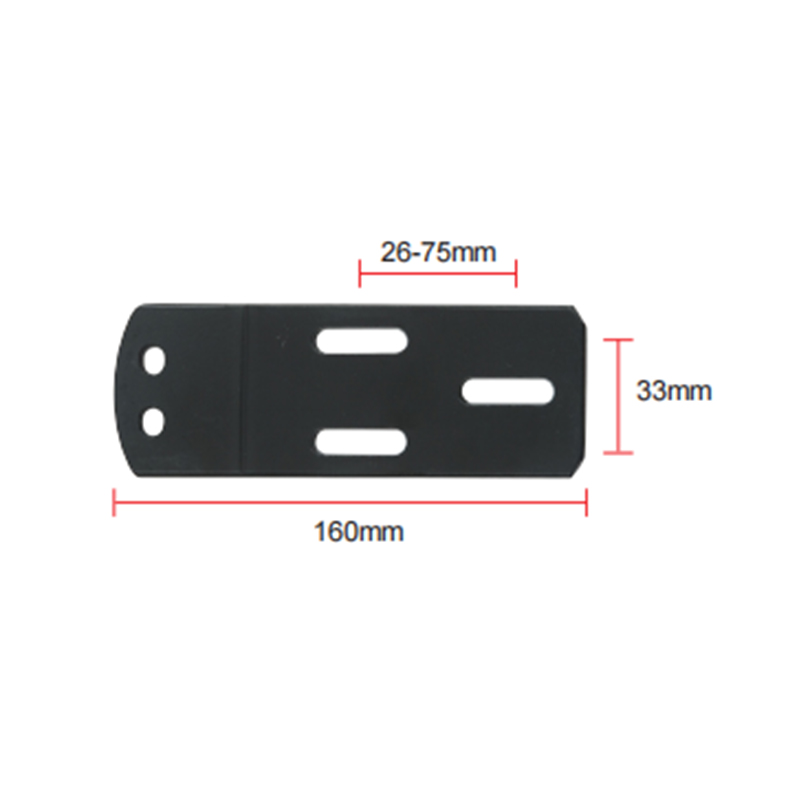
Many office chairs allow armrests to be replaced or upgraded, though compatibility depends on the chair's mounting design and whether replacement parts are available for that specific model.
What does 4D armrest mean?
A 4D armrest adds pad angling to the height, depth, and width adjustments found in a 3D armrest, allowing the pad surface itself to tilt inward or outward.
Are ergonomic armrests worth it?
For people who spend long hours sitting at a desk, ergonomic armrests are generally considered a worthwhile investment because they allow arm support to be tailored to individual posture and task needs.


 Feel free to contact us

- Product Fast Links
- Office Chair
- Gaming Chair
- Ergonomic Chair Accessories
- Contact Information
- Tangpu Industrial Park, Anji County, Huzhou City, Zhejiang Province, China
- [email protected]
- +86-13567973388

