A chair armrest does far more than provide a place to rest your arms — it directly affects your shoulder posture, spinal alignment, and long-term comfort during seated work. This guide walks through armrest types, industry-standard dimensions, the link between poor armrests and shoulder pain, and a clear framework for choosing the right model.
Types of Chair Armrests
Chair armrests fall into four main categories, each suited to different use cases, body types, and workstation configurations.
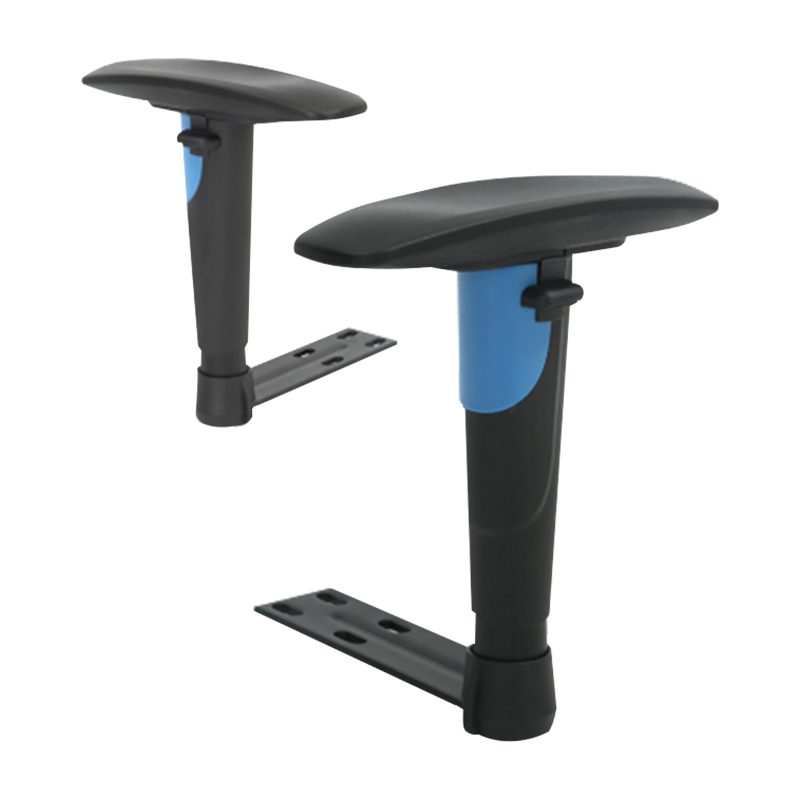
Fixed
Set at a single height and angle. Common on budget and task chairs. Simple, durable, and cost-effective — but offers zero adaptability.
Height-Adjustable (1D)
Adjusts vertically only. Suitable for most standard desk setups where height alignment is the primary concern.
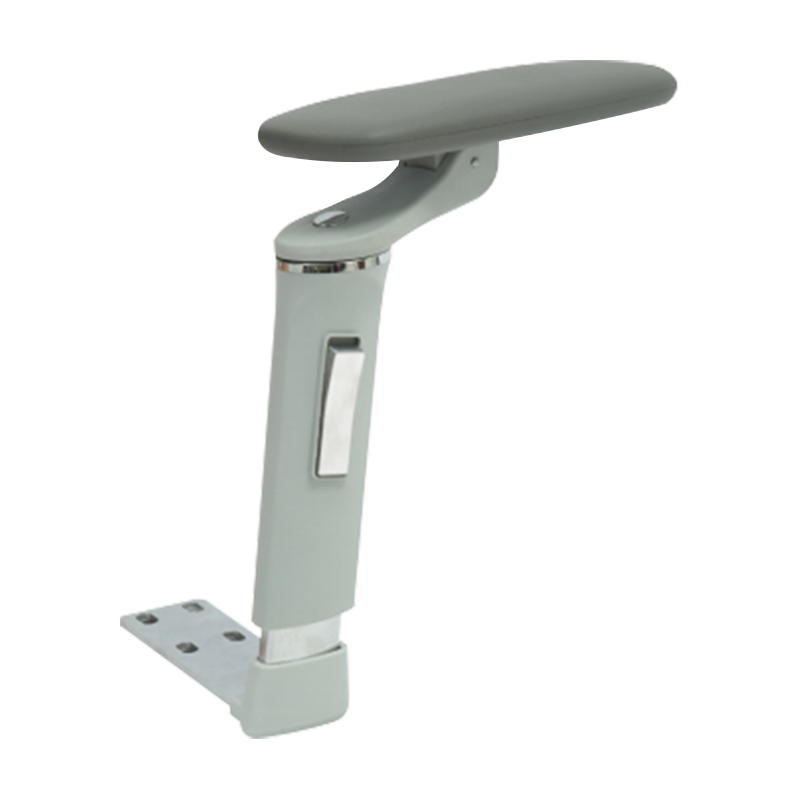
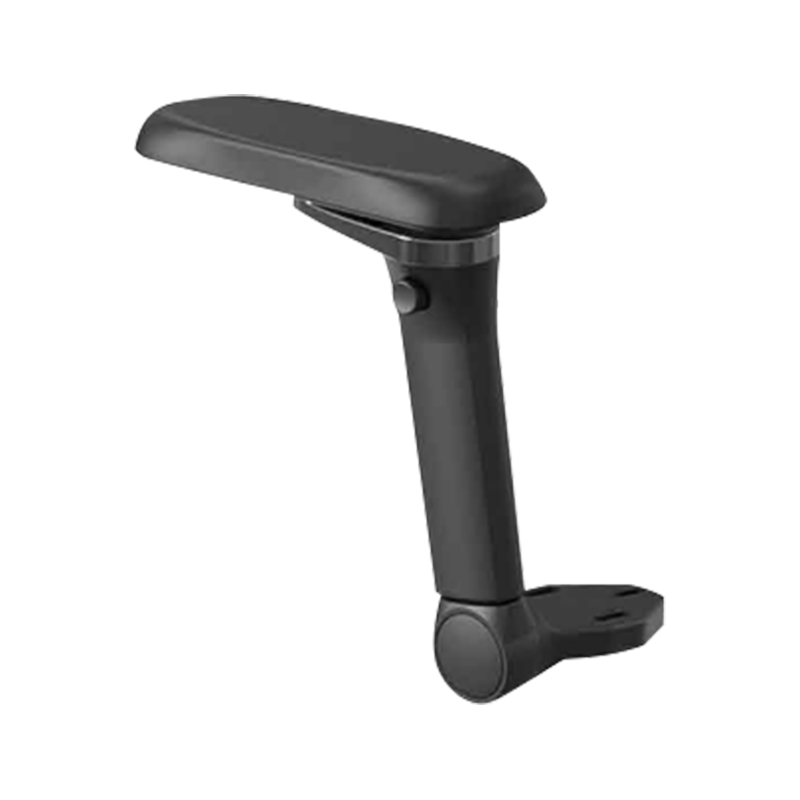
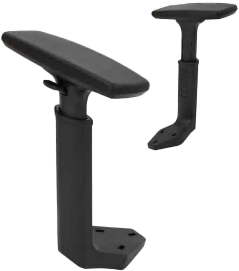
Multi-Dimensional (3D/4D)
Moves up/down, forward/back, left/right, and rotates. Preferred in ergonomic and executive chairs for precision fitting.
Folding / Flip-Up
Folds away entirely when not needed. Ideal for shared workstations, meeting chairs, or users who prefer no lateral constraint.
Chair Armrest Height Standard
The ANSI/BIFMA X5.1 standard — the benchmark used by commercial furniture manufacturers — specifies that armrest height should be adjustable within a range of 7.1 to 10.6 inches (18 to 27 cm) above the compressed seat surface. In practice, this means your forearm should rest parallel to the floor, with your elbow bent at approximately 90 degrees and your shoulders fully relaxed.
7.1–10.6 in BIFMA armrest height range above seat
90° Recommended elbow angle when arms are resting
2–3 in Typical armrest width (pad surface) per BIFMA
Armrests set too high force the shoulders upward into a chronic shrug, compressing the trapezius. Set too low, they encourage lateral trunk lean and put uneven load on the lumbar spine. Either condition becomes clinically significant after as little as two hours of continuous sitting, according to a 2019 study published in Applied Ergonomics.
Armrest Causing Shoulder Pain
Shoulder pain from armrests is one of the most underdiagnosed ergonomic complaints in office environments. The mechanism is simple: when the armrest is misaligned, the shoulder musculature compensates continuously to maintain arm position — and sustained low-level muscle activation leads to fatigue, inflammation, and eventually chronic pain in the rotator cuff, trapezius, and levator scapulae.
Clinical Finding
A Cornell University Human Factors and Ergonomics Research Group study found that adjustable armrests reduced neck and shoulder discomfort by up to 40% compared to fixed armrests, when properly fitted to the user.
Common Armrest Mistakes That Cause Pain
- Armrests set too wide, causing the arms to abduct away from the torso
- Hard plastic pads with no cushioning, creating pressure point inflammation at the elbow
- Armrests that prevent the chair from rolling under the desk, forcing forward trunk lean
- Using armrests as a substitute for lumbar support while hunching forward
- Asymmetric armrest use — resting only one arm — which causes lateral spinal imbalance
Immediate Fixes If You Have Shoulder Pain Now
Lower the armrests until your shoulders drop naturally. If the lowest setting is still too high, remove the armrests entirely until you source a replacement. Set a desk timer to stand for two minutes every 40 minutes — continuous loading, not the armrest alone, is often the compounding factor.
How to Choose Chair Armrests
Selecting the right chair armrest requires matching the product specifications to three variables: your body dimensions, your desk height, and your primary work task.
Fixed Armrests
- Works for standardized office setups with consistent user height
- Lower cost and higher durability
- Not suitable for sit-stand desks or shared workstations
- Best for: reception chairs, conference seating, waiting areas
Adjustable Armrests
- Adapts to different body types and desk configurations
- 3D/4D models support precision ergonomic fitting
- Higher upfront cost, more components to wear over time
- Best for: dedicated workstations, 8-hour office roles, ergonomic setups
For task-intensive work involving a keyboard and mouse, prioritize width adjustment so the armrests can be positioned close to the torso, keeping the elbows near the body. For video calls and reading tasks, height adjustment alone is often sufficient. If your desk height is non-standard or you use a sit-stand setup, a 4D armrest with forward/back travel is the only design that accommodates the full range of postures.
Frequently Asked Questions
What is the correct armrest height for typing?
For keyboard work, the armrest should sit just low enough that your forearms are parallel to the floor or angled very slightly downward (wrists neutral), with shoulders fully relaxed. This typically falls 1 to 2 cm below the elbow when the arm hangs naturally at the side.
Should armrests be used while typing?
Armrests should support the arm during pauses, not during active typing. When typing, the forearms should hover freely or rest lightly on the desk edge — using armrests as a typing support often creates wrist deviation and slows movement. Think of them as a resting point between keystrokes, not a platform.
Can I replace the armrests on my existing chair?
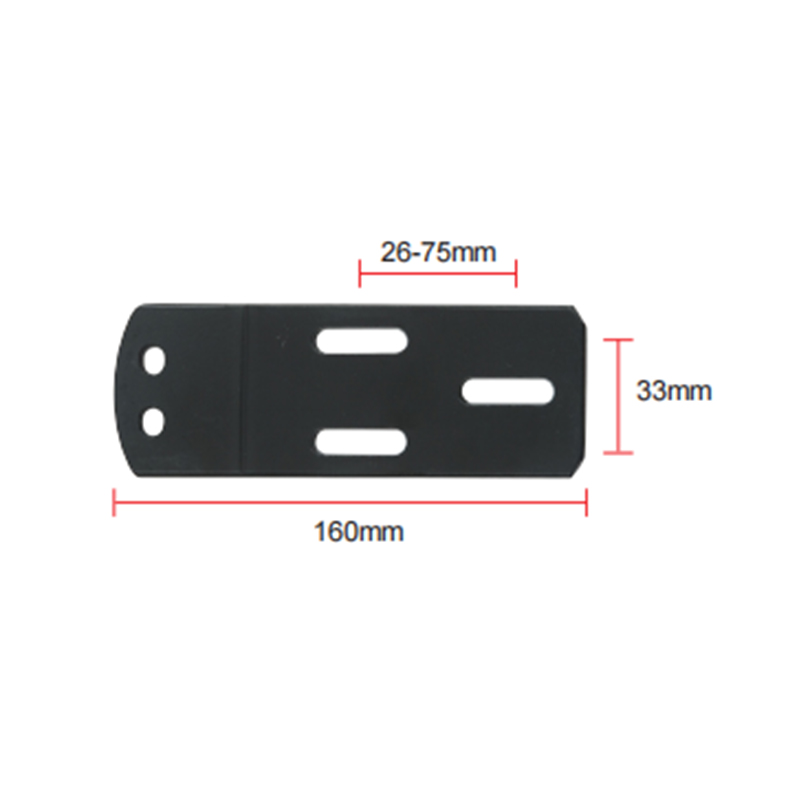
In most cases, yes. Many office chair armrests use standardized bolt patterns (typically M8 or M10 bolts on a 4-hole plate). Measure your existing armrest mounting plate before purchasing a replacement. Universal aftermarket armrests are widely available and can upgrade a basic chair to 3D or 4D adjustability for under $60.
How wide should chair armrests be?
BIFMA standards call for a minimum pad width of 2 inches (5 cm). In practice, a pad of 3 to 4 inches provides better forearm support and is preferable for prolonged seated work. Wider is generally more comfortable, provided the armrests do not force the elbows outward from the body.



 English
  Español
  عربى
عربى 


 Feel free to contact us