Home / News / Industry News / 3D vs 4D: Is a 3d adjustable armrest enough for your ergonomic home office setup?
Industry News
All the news you need to know about T-LORD

3D vs 4D: Is a 3d adjustable armrest enough for your ergonomic home office setup?

2026-04-13

Mechanical Degrees of Freedom in 3D Armrest Systems

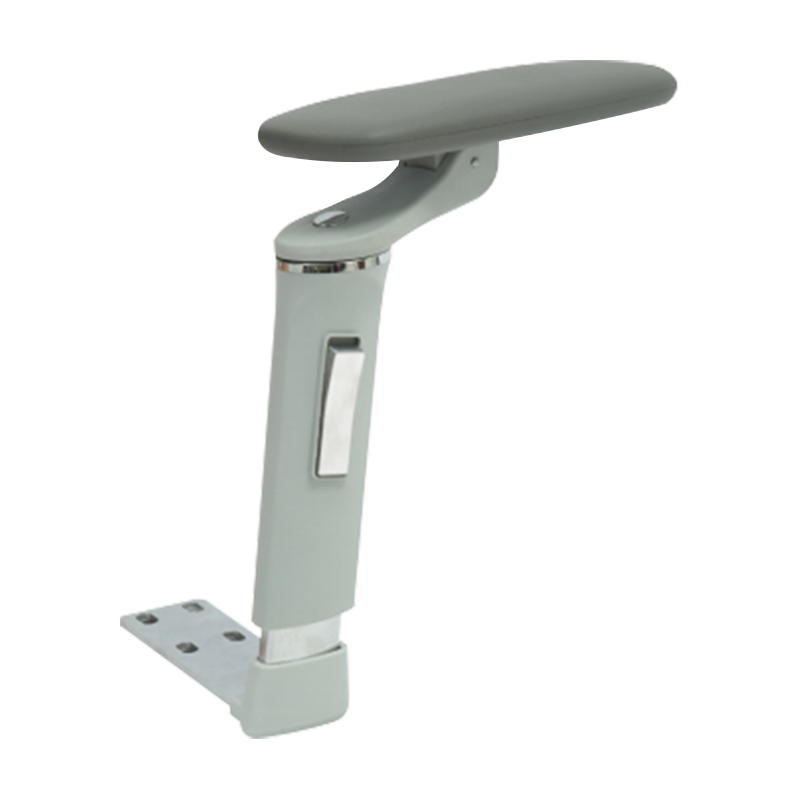
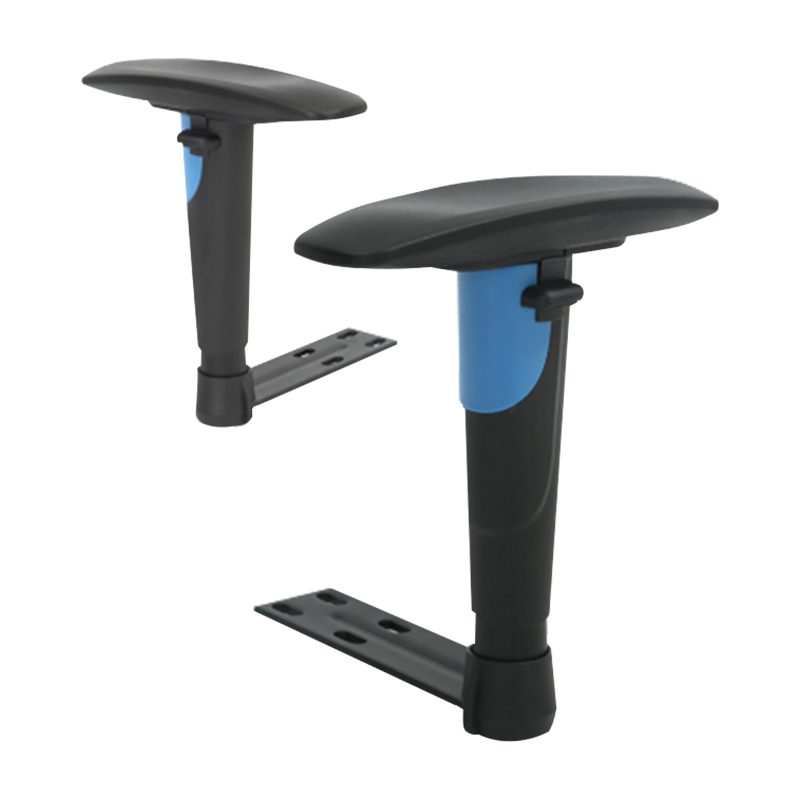
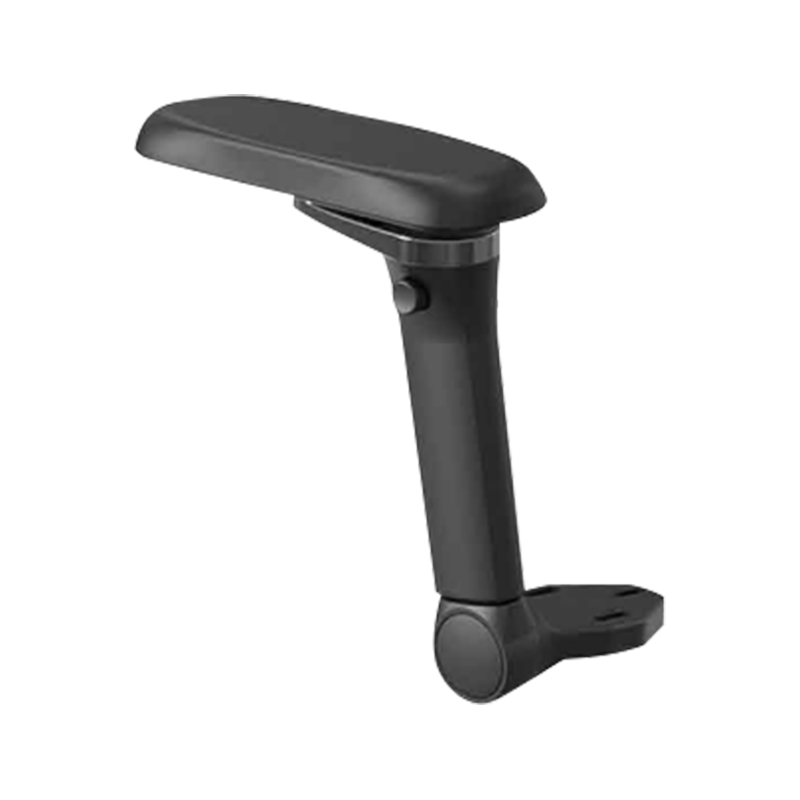
  • Height Adjustment (Z-Axis): The primary function of a 3d adjustable armrest is vertical displacement, typically offering a range of 60mm to 100mm. This allows the user to align the armrest with the desk height, preventing shoulder shrugging and trapezius strain.
  • Depth Adjustment (Y-Axis): Sliding the armrest pad forward or backward ensures that the forearms are supported regardless of how close the user sits to the workstation. This is critical for maintaining a neutral wrist position during intensive typing.
  • Pivot Adjustment (Angular): A standard 3D system allows the pads to rotate inward or outward (usually up to 20°). This supports the natural "V" shape of the arms when using a keyboard or mobile device, reducing ulnar deviation.

The Technical Distinction: What 4D Adds to the Matrix

  • Lateral Adjustment (X-Axis): The defining difference in 4d armrest vs 3d comparisons is the width adjustment. 4D armrests can slide toward or away from the seat pan, which is vital for users with narrow or broad shoulders to keep elbows directly under the shoulder joints.
  • Load Bearing Stability: Anji Xielong Furniture Co., Ltd. engineers both systems to withstand vertical loads exceeding 100kg. However, 4D mechanisms require more complex internal locking to maintain stability across four axes of movement.
  • Ergonomic Sufficiency: For 90% of home office users, a 3d adjustable armrest provides the necessary support to prevent Carpal Tunnel Syndrome and neck pain, provided the chair width matches the user's frame.

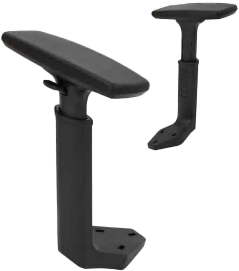
[Image comparing 3D and 4D office chair armrest movements]

Material Engineering and Durability Standards

  • Structural Integrity: Our adjustable armrests utilize reinforced nylon or aluminum alloy skeletons. The ergonomic chair accessories produced at Anji Xielong are tested for 100,000 cycles of height and pivot adjustment to ensure long-term reliability.
  • Surface Material Science: We utilize soft-touch PU (Polyurethane) padding with a shore hardness of 50-60A. This provides sufficient pressure distribution for the olecranon process (elbow bone) without being so soft that it bottom-outs.
  • Precision Tolerance: Adhering to the "Quality First" principle, our R&D team ensures that lateral play in the armrest column is kept within ±1mm, providing a premium feel that enhances the overall user experience.

Technical Comparison: 3D vs 4D Adjustment Capabilities

Adjustment Axis 3D Adjustable Armrest 4D Adjustable Armrest
Vertical (Up/Down) Yes (Standard 70mm range) Yes (Standard 70mm range)
Slide (Forward/Back) Yes (Typically 50mm range) Yes (Typically 50mm range)
Pivot (Angle In/Out) Yes (±20 Degrees) Yes (±20 Degrees)
Width (In/Out) No (Fixed to bracket) Yes (Typically 25mm range)
Primary User Goal General Ergonomics Customized Width Fit

Global Supply and Strategic Manufacturing Advantages

  • R&D and Production Integration: Established in 2019, Anji Xielong Furniture Co., Ltd. integrates the entire lifecycle of armrest development. This allows us to rapidly prototype new 3d adjustable armrest designs for OEM clients.
  • Customer-Centric Innovation: We believe customers enjoy efficient services and high-quality products. By focusing as a shaper of the main accessories business, we provide the furniture field with components that create a win-win situation.
  • Continuous Expansion: Our company is constantly innovating, pursuing higher quality products to meet the evolving needs of the global home office market and international ergonomic standards.

Hardcore Technical FAQ

  • Can a 3D armrest be upgraded to 4D post-purchase?: Generally no, as the 4D functionality requires a specific internal sliding track and locking mechanism within the top plate that is not present in 3D models.
  • What is the impact of armrest height on neck strain?: If armrests are too low, the user leans forward, causing the cervical spine to support the weight of the head (approx 5kg) at an awkward angle, leading to "tech neck."
  • How do you maintain the locking mechanism in adjustable armrests?: High-quality 3d adjustable armrests are lubricated with synthetic lithium grease during assembly and sealed to prevent dust ingress, requiring zero maintenance over a 5-year lifecycle.
  • Does the armrest pivot affect typing speed?: Yes, by allowing the wrists to remain in a neutral 180-degree alignment with the forearm, the pivot reduces muscle fatigue, which maintains consistent typing cadence.
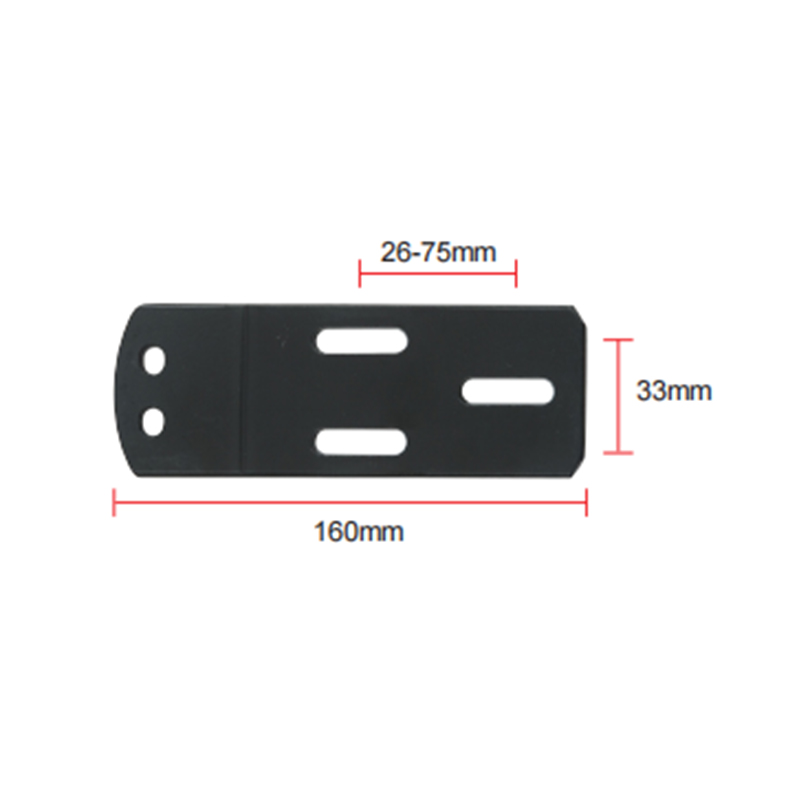
  • Are these armrests compatible with all office chairs?: Most Anji Xielong products use universal mounting hole patterns (e.g., 40mm x 40mm or 100mm x 40mm) to ensure seamless integration for furniture manufacturers worldwide.

Technical References

  • BIFMA X5.1: American National Standard for Office Furnishings - General Purpose Office Chairs.
  • ISO 9241-5: Ergonomic requirements for office work with visual display terminals - Workstation layout and postural requirements.
  • EN 1335: European standard for office furniture - Work chairs (Dimensions and Safety).