


 English
  Español
  عربى
عربى 
Ergonomic Evolution: Comparing 2D, 4D, and the Office Chair 3D Armrest for Long-Term Comfort
Content
- 1 The Mechanical Classification of Adjustable Armrests
- 2 The Impact of 3D Adjustability on Long-Term Musculoskeletal Health
- 3 Material Science and Durability in Armrest Production
- 4 Why Choose a 3D Armrest Over a 4D Option?
- 5 Conclusion: The Future of Workspace Ergonomics
- 6 Frequently Asked Questions (FAQ)
- 7 Industry References
In the modern workspace, the ergonomic configuration of seating is a critical factor in preventing work-related musculoskeletal disorders (WMSDs). While much attention is paid to lumbar support and seat depth, the technical specifications of the armrest often determine the level of upper-body fatigue an office worker experiences. Understanding the office chair 3d armrest and its counterparts is essential for both manufacturers and end-users. Anji Xielong Furniture Co., Ltd., established in 2019, stands at the forefront of this niche, integrating R&D and production to create high-quality adjustable armrests that prioritize user well-being and service excellence.
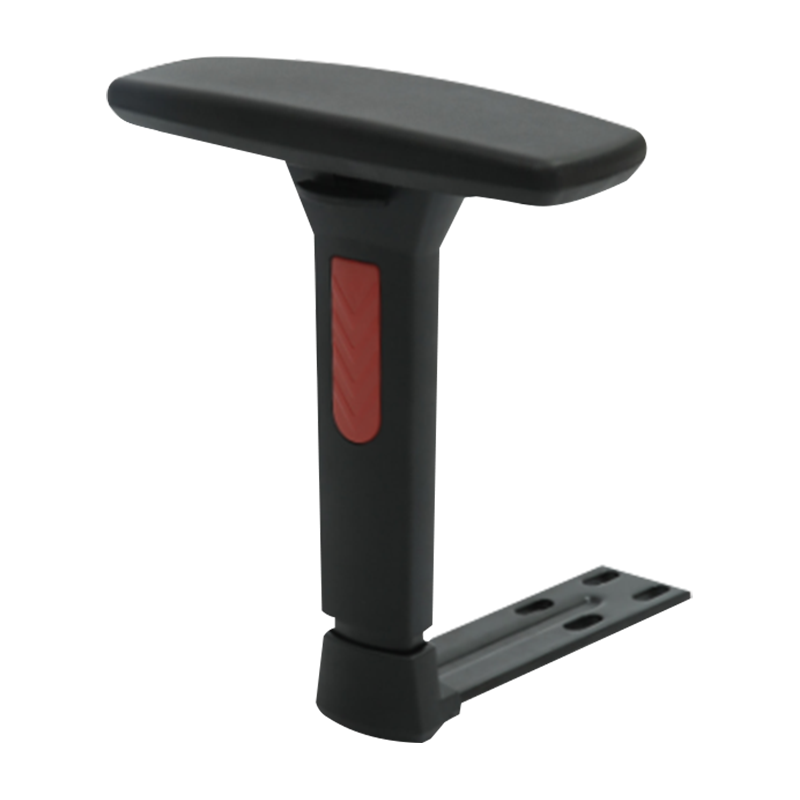
The Mechanical Classification of Adjustable Armrests
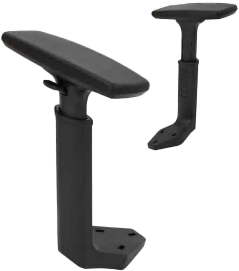
The "D" in armrest terminology refers to "Dimensions" of movement. As we progress from 1D to 4D, the mechanical complexity increases, providing more granular control over the support position. When evaluating what is an office chair 3d armrest, it is defined by three specific axes of movement: height, depth, and pivot. This allows the user to align the support precisely with their forearm length and typing angle.
Functional Breakdown: 2D vs. 3D vs. 4D
While 2D armrests provide basic height and depth adjustments, the office chair 3d armrest introduces rotational capability, which is a significant leap in ergonomic support. 4D armrests add a final width adjustment for a truly bespoke fit.
| Adjustment Type | 2D Armrest | Office Chair 3D Armrest | 4D Armrest |
| Height (Up/Down) | Standard | Standard | Standard |
| Depth (Forward/Back) | Standard | Standard | Standard |
| Pivot (Inward/Outward) | None | Standard | Standard |
| Width (Slide In/Out) | None | None | Standard |
The Impact of 3D Adjustability on Long-Term Musculoskeletal Health
For engineers and ergonomists, the primary goal of an armrest is to reduce the load on the Trapezius and Deltoid muscles. An office chair 3d armrest allows the user to pivot the pads inward. This is crucial for how to adjust 3d armrest for better posture while typing on a laptop or compact keyboard, as it prevents the shoulders from internally rotating or "hunching." By supporting the weight of the arms, these components effectively reduce cervical spine pressure.
Pivot Mechanics and Shoulder Neutrality
A static armrest forces the body to adapt to the chair, whereas an adjustable system allows the chair to adapt to the body. The pivot function in a 3d armrest vs 4d armrest for gaming or intensive office work ensures that the elbow stays close to the torso, maintaining a neutral shoulder position.
| Design Factor | Static/Basic Armrest | Office Chair 3D Armrest |
| Shoulder Strain | High (Arm weight unsupported) | Minimal (Neutral alignment) |
| Forearm Support | Fixed (Usually too low or high) | Dynamic (Adjustable to desk height) |
| Wrist Alignment | Poor (Leads to extension/flexion) | Excellent (Straight line to keys) |
Material Science and Durability in Armrest Production
At Anji Xielong Furniture Co., Ltd., we recognize that the quality of the adjustment mechanism is as vital as the movement itself. The benefits of 3d armrests for ergonomic chairs are only realized if the internal tracking and locking systems are robust. We utilize high-grade engineering plastics and reinforced alloys to ensure that every office chair 3d armrest we produce maintains its position under repeated pressure, adhering to our "Quality First" purpose.
Technical Standards in Manufacturing:
- Internal Locking Mechanisms: Ensures the pivot and depth settings do not "drift" during use.
- Pad Material Density: Balancing soft-touch PU for comfort with high-density cores for long-term shape retention.
- Cycle Testing: Our R&D team subjects armrests to thousands of adjustment cycles to guarantee longevity.
Why Choose a 3D Armrest Over a 4D Option?
Architects and furniture designers often weigh office chair 3d armrest vs 4d armrest cost-benefit. While 4D offers width adjustment, the office chair 3d armrest provides the most critical movements for 90% of the population at a more efficient price point. For many corporate environments, 3D adjustability offers the "sweet spot" of ergonomic protection without the mechanical overhead of width sliders that may occasionally rattle or require more maintenance.
Comparison: 3D vs. 4D Practicality
The 4D armrest provides maximum versatility for very broad or very narrow users, while the 3D version provides the essential pivot and height adjustments used daily.
| Criterion | Office Chair 3D Armrest | 4D Armrest |
| Complexity | Moderate (Highly Reliable) | High (Advanced Engineering) |
| User Suitability | Standard and Mid-size users | Extreme body types (Very wide/narrow) |
| Maintenance | Lower due to fewer slide tracks | Requires higher precision track care |
Conclusion: The Future of Workspace Ergonomics
Selecting the right armrest is a technical decision that impacts productivity and health. The office chair 3d armrest represents a high-performance solution for the modern professional. Anji Xielong Furniture Co., Ltd. remains committed to innovating within this space, ensuring that our partners in the furniture field can provide products that truly "create a win-win situation" through superior ergonomic design.
Frequently Asked Questions (FAQ)
1. Can I replace my standard armrests with an office chair 3d armrest?
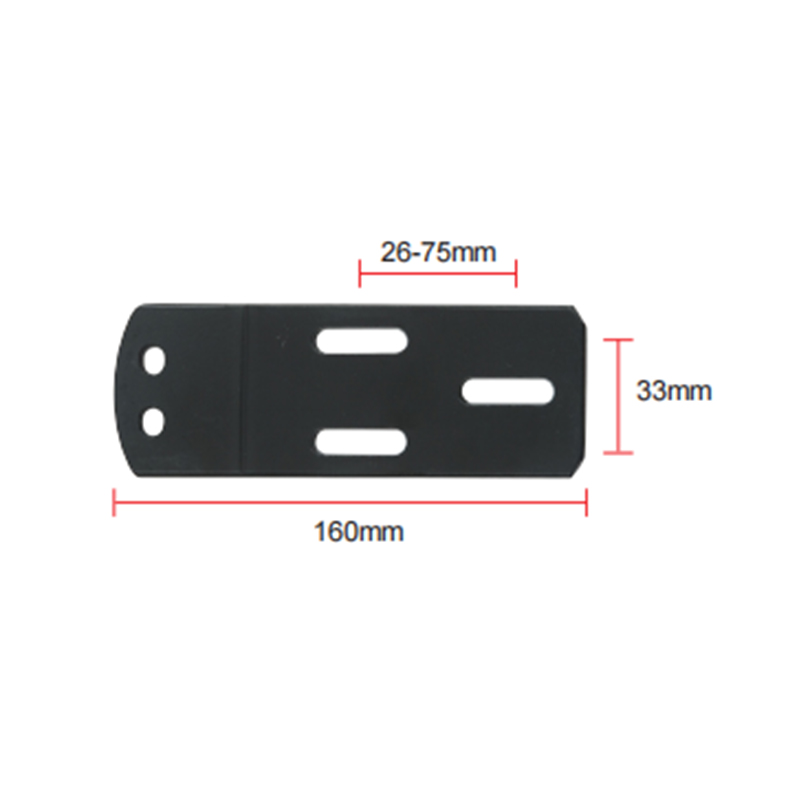
In many cases, yes. Most ergonomic chairs use a standard 3-hole or 4-hole mounting pattern. Anji Xielong Furniture Co., Ltd. produces armrests designed to be compatible with a wide range of global office chair frames.
2. How do I fix a wobbly 3d armrest on my chair?
Wobble is usually caused by loose mounting bolts or wear in the internal slide tracks. High-quality office chair 3d armrest units feature precision tolerances to minimize play. Ensure the bolts under the seat pan are tightened periodically.
3. Is an office chair 3d armrest suitable for gaming?
Absolutely. Gamers often require the "pivot" function to support their forearms while using a controller or a mouse, making the 3D adjustment highly effective for long gaming sessions.
4. What is the best material for 3d armrest pads?
Soft-touch Polyurethane (PU) is the industry standard. It provides a "grip" that prevents the arm from sliding while offering enough cushioning to prevent ulnar nerve pressure.
5. Why is my armrest height adjustment stuck?
This is often due to a failure in the spring-loaded pin or debris in the height track. Choosing armrests from manufacturers with rigorous R&D, like Anji Xielong Furniture Co., Ltd., ensures higher-quality internal components that prevent these failures.
Industry References
- BIFMA X5.1: American National Standard For Office Furnishings - General Purpose Office Chairs.
- ISO 9241-5: Ergonomic requirements for office work with visual display terminals (VDTs) — Part 5: Workstation layout and postural requirements.
- The Cornell University Ergonomics Web (CUErg): Guidelines for Seating and Arm Support.
- HFES 100-2007: Human Factors Engineering of Computer Workstations.


 Feel free to contact us

- Product Fast Links
- Office Chair
- Gaming Chair
- Ergonomic Chair Accessories
- Contact Information
- Tangpu Industrial Park, Anji County, Huzhou City, Zhejiang Province, China
- [email protected]
- +86-13567973388

