


 English
  Español
  عربى
عربى 
How Does a 2D Adjustable Armrest Reduce Shoulder Strain and Carpal Tunnel Risk During Long Working Hours?
Content
- 1 1. Neutral Posture and the Reduction of Trapezius Loading
- 2 2. Wrist Extension and Carpal Tunnel Prevention
- 3 3. Technical Durability and Material Science in Armrest R&D
- 4 4. Optimizing Workspace Connectivity
- 5 5. Conclusion: A Win-Win for Health and Productivity
- 6 Frequently Asked Questions (FAQ)
- 6.1 1. What is the ideal ergonomic chair armrest height?
- 6.2 2. Can a 2d adjustable armrest help with existing elbow pain?
- 6.3 3. Is replacing office chair armrests with 2d versions difficult?
- 6.4 4. Why choose 2d adjustable armrests over 4d?
- 6.5 5. How do I know if the armrest I am buying is high quality?
- 7 Related Industry References
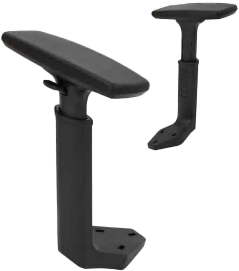
In the modern corporate environment, the ergonomics of office furniture has shifted from a luxury to a physiological necessity. Among the most critical components for upper-body health is the 2d adjustable armrest. Unlike static armrests, a 2D system allows for vertical height adjustment and horizontal rotation (pivot), addressing the specific biomechanical needs of the user. Anji Xielong Furniture Co., Ltd., a specialized R&D and production leader established in 2019, focuses on shaping the main accessories business of office chairs with a "Quality First" philosophy. By engineering precision 2d adjustable armrest solutions, we help manufacturers create chairs that mitigate long-term occupational injuries. This article explores the technical relationship between armrest adjustability and the prevention of musculoskeletal disorders like shoulder strain and Carpal Tunnel Syndrome (CTS).
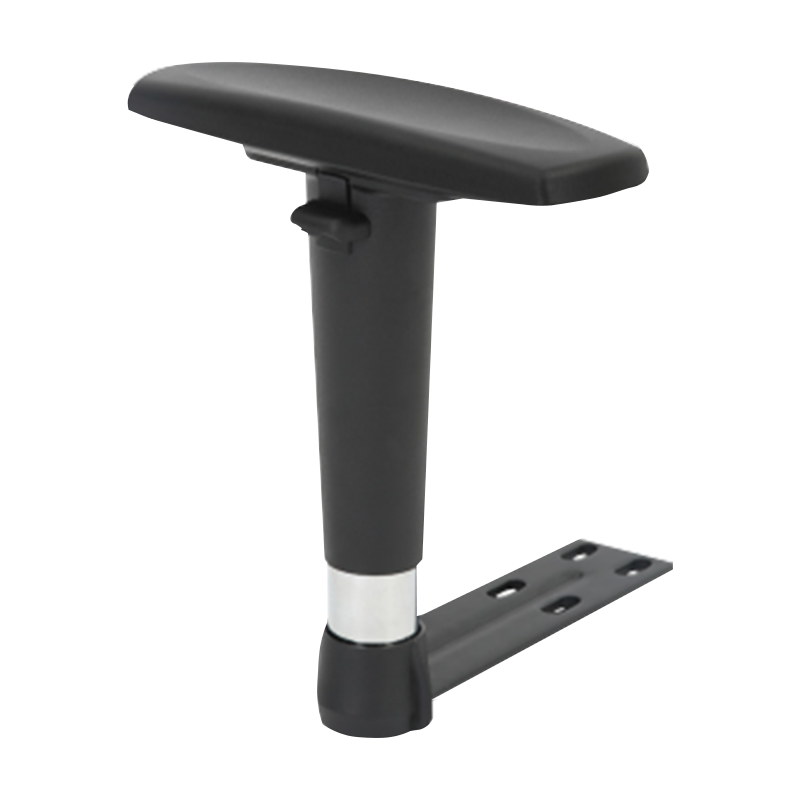
1. Neutral Posture and the Reduction of Trapezius Loading
Shoulder strain often originates from the "shrugging" motion required when an armrest is too high, or the "slumping" motion when it is too low. A 2d adjustable armrest allows the user to achieve a neutral shoulder position where the humerus hangs vertically and the trapezius muscle remains relaxed. When examining the benefits of 2d armrest for posture, the primary factor is the ability to align the armrest height with the desk surface. This prevents the weight of the arms (approximately 10% of total body weight) from pulling on the neck and shoulder girdle. While fixed armrests force the body to adapt to the chair, Anji Xielong Furniture designs ensure the chair adapts to the user's unique anthropometric measurements.
Comparison: Fixed Armrests vs. 2D Adjustable Systems
Fixed armrests often lead to sustained muscle activation and fatigue, whereas 2D systems facilitate a customized fit that offloads the musculoskeletal system.
| Feature | Standard Fixed Armrest | 2D Adjustable Armrest |
| Shoulder Alignment | Non-adjustable; often causes shrugging | Vertical adjustment for neutral alignment |
| Muscle Activation | High static load on trapezius | Reduced load through proper support |
| User Versatility | Limited to specific height ranges | Suitable for 5th to 95th percentile users |
2. Wrist Extension and Carpal Tunnel Prevention
Carpal Tunnel Syndrome is frequently caused by repetitive wrist extension or compression against hard edges. An ergonomic chair armrest height adjustment is vital because it ensures the forearm is parallel to the floor, allowing the wrist to remain in a neutral, straight position. Furthermore, the "pivot" function of a 2D armrest allows the pads to turn inward. This is crucial for users who type on compact keyboards, as it supports the forearms while preventing "ulnar deviation" (bending the wrist toward the pinky finger). By following a 2d adjustable armrest installation guide for proper setup, users can significantly reduce the pressure on the median nerve.
Comparison: Pivot Functionality and Wrist Strain
A pivoting armrest supports the natural inward angle of the arms during typing, which standard linear-only armrests fail to accommodate.
| Adjustment Type | Effect on Wrist Angle | Carpal Tunnel Risk Mitigation |
| Height Only (1D) | Improves vertical alignment | Moderate (Reduces vertical extension) |
| Height + Pivot (2D) | Supports inward arm angles | High (Eliminates ulnar deviation) |
| No Adjustment | Encourages awkward angles | Very Low (Highest risk of CTS) |
3. Technical Durability and Material Science in Armrest R&D
The efficacy of a 2d adjustable armrest is also dependent on its mechanical stability. A "wobbly" armrest can lead to micro-adjustments by the user, causing subtle muscle strain. Anji Xielong Furniture Co., Ltd. utilizes high-grade polymers and reinforced internal tracks to ensure that the best 2d adjustable armrest for office chairs remains rigid under load. When users ask how to fix wobbly office chair armrests, the answer often lies in the quality of the original internal locking mechanism. Our R&D team focuses on high-cycle testing to ensure that the height and pivot locks do not degrade over time, maintaining the ergonomic integrity of the chair throughout its lifespan.
4. Optimizing Workspace Connectivity
A significant but often overlooked factor is the difference between 2d and 3d armrests in workspace flow. While 3D and 4D armrests offer more planes of movement, the 2D version provides the most essential ergonomic corrections without excessive complexity. The ability to lower the 2d adjustable armrest completely allows the chair to be tucked under the desk when not in use, promoting better circulation in small office spaces. For engineers specifying components, replacing office chair armrests with 2d versions is an efficient way to upgrade existing furniture fleets to meet modern OHS (Occupational Health and Safety) standards.
Key Engineering Features of Xielong 2D Armrests:
- Precision Ratchet Systems: Ensures consistent height increments for symmetrical arm support.
- Soft-Touch PU Pads: Reduces contact stress on the ulnar nerve at the elbow.
- High Load-Bearing Bases: Prevents outward flexing when the user leans on the armrests to stand.
- Sleek Aesthetic Integration: Designed to complement modern office chair accessories and mesh-back frames.
5. Conclusion: A Win-Win for Health and Productivity
The 2d adjustable armrest is a foundational tool in the fight against office-related strain. By facilitating neutral shoulder alignment and reducing wrist deviation, it directly addresses the root causes of shoulder tension and carpal tunnel risk. Anji Xielong Furniture Co., Ltd. remains dedicated to innovating within this niche, providing the furniture industry with high-quality, reliable accessories that create a win-win situation for both manufacturers and end-users. Investing in quality 2D components is an investment in long-term productivity and employee well-being.
Frequently Asked Questions (FAQ)
1. What is the ideal ergonomic chair armrest height?
The ideal height is where your elbows are bent at roughly a 90-degree angle and your shoulders are completely relaxed. Your forearms should rest lightly on the 2d adjustable armrest without causing your shoulders to lift.
2. Can a 2d adjustable armrest help with existing elbow pain?
Yes. By adjusting the height to prevent "elbow flare" and using the pivot function to support the arm's natural angle, you can reduce pressure on the ulnar nerve, which often causes tingling or pain in the elbow and hand.
3. Is replacing office chair armrests with 2d versions difficult?
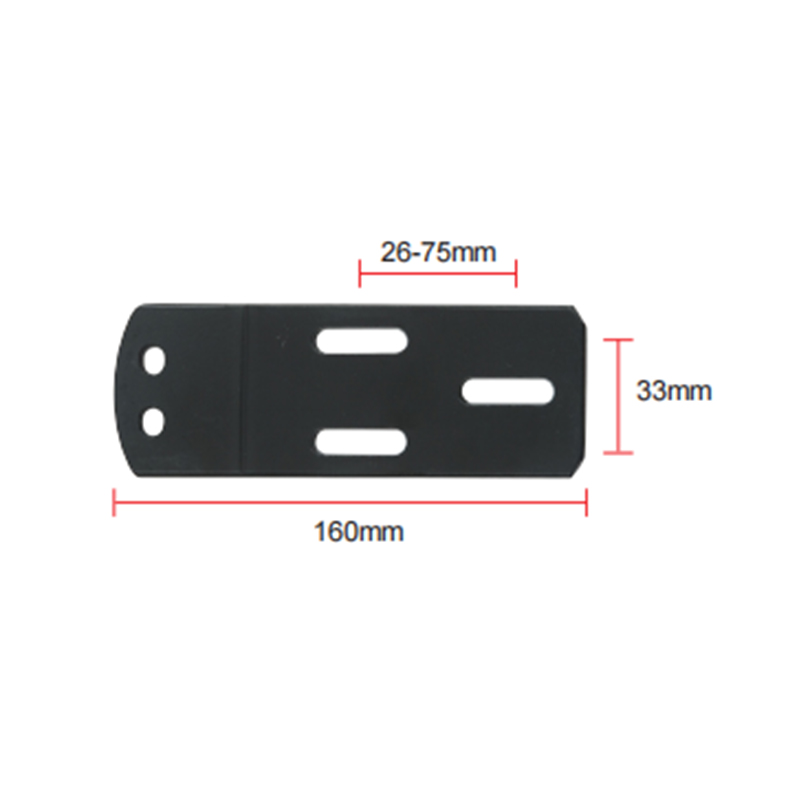
Generally, no. Most 2D armrests use a standard 3-hole or 4-hole mounting pattern. Anji Xielong provides universal mounting plates to ensure compatibility with most office chair frames.
4. Why choose 2d adjustable armrests over 4d?
2D armrests provide the two most essential ergonomic adjustments (height and pivot) while usually being more cost-effective and durable. They are ideal for high-traffic office environments where simplicity and reliability are prioritized.
5. How do I know if the armrest I am buying is high quality?
Look for companies like Anji Xielong Furniture that specialize in R&D and production. High-quality armrests will have a solid locking feel, no excessive "play" in the movements, and use durable materials like PU instead of hard plastic for the pads.
Related Industry References
- ANSI/BIFMA X5.1-2017: American National Standard for Office Furnishings.
- ISO 9241-5: Ergonomic requirements for office work with visual display terminals.
- OSHA Publication 3125: Ergonomics - The Study of Work.
- Cornell University Ergonomics Web: Guideline for Sitting and Chair Adjustments.


 Feel free to contact us

- Product Fast Links
- Office Chair
- Gaming Chair
- Ergonomic Chair Accessories
- Contact Information
- Tangpu Industrial Park, Anji County, Huzhou City, Zhejiang Province, China
- [email protected]
- +86-13567973388

