


 English
  Español
  عربى
عربى 
How to Choose the Right 3D Chair Armrest for Ergonomic Chair Manufacturing
Content
- 1 Why the armrest choice matters for chair manufacturers
- 2 Core factors when selecting a 3D chair armrest
- 3 How each adjustment feature affects performance
- 4 Common materials used in chair armrest construction
- 5 Evaluating 3D chair armrest quality before purchase
- 6 3D chair armrest vs 2D and fixed armrest
- 7 Choosing the right 3D armrest supplier
- 8 Where 3D armrest technology is heading
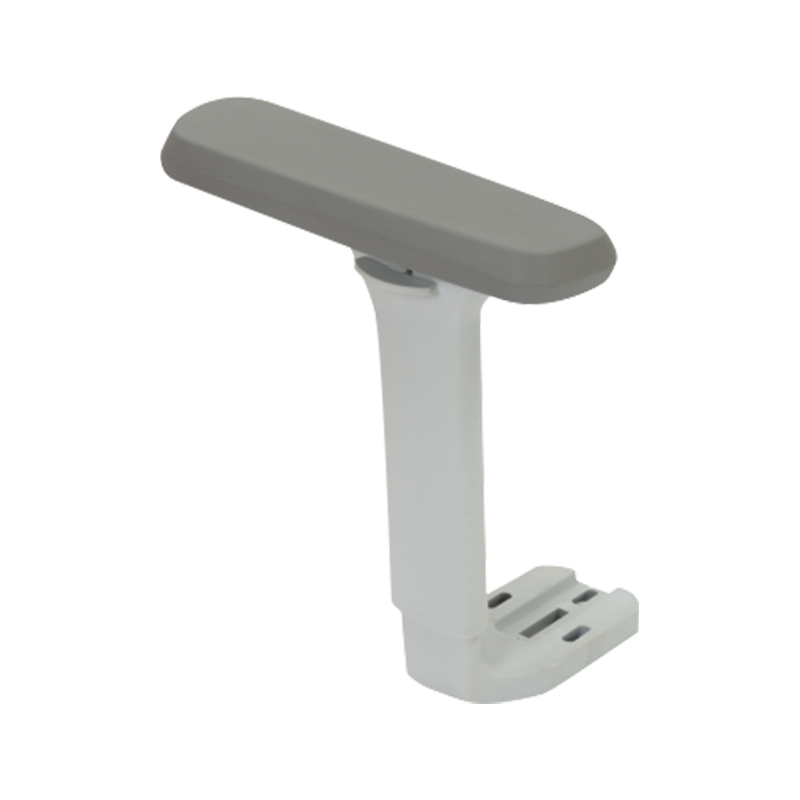
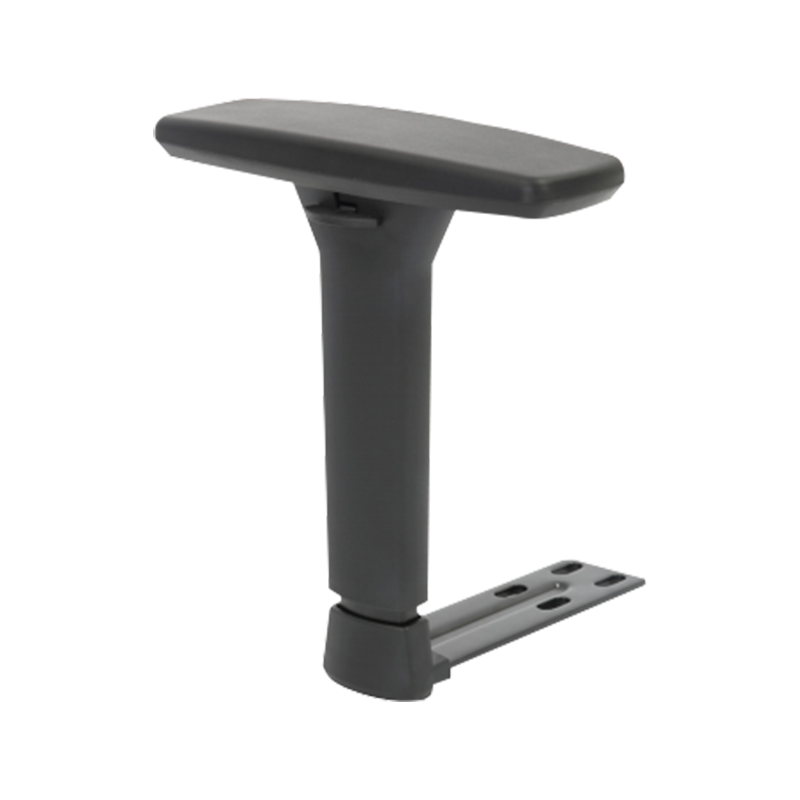
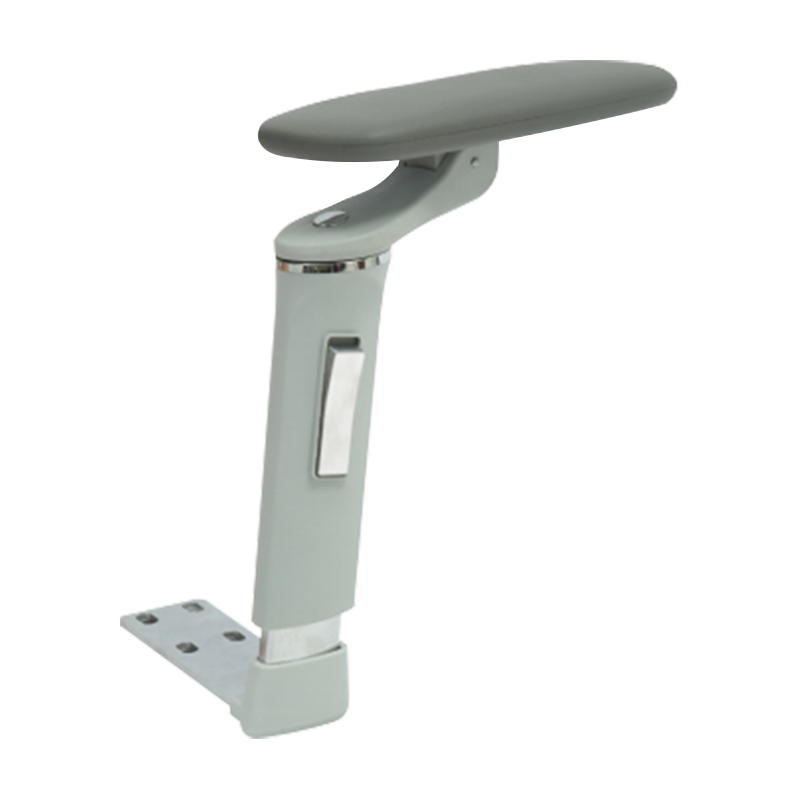
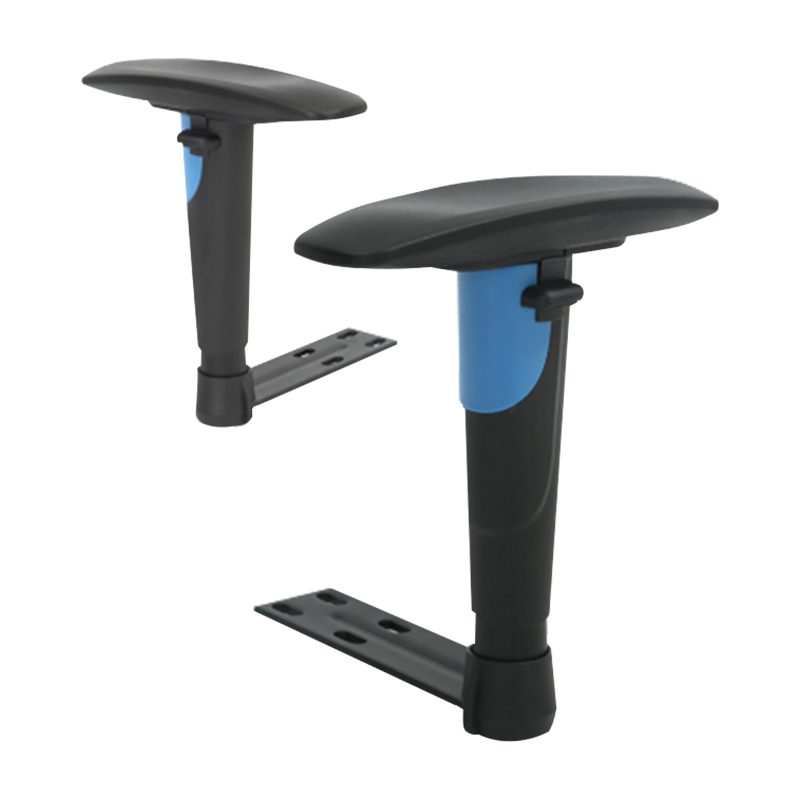
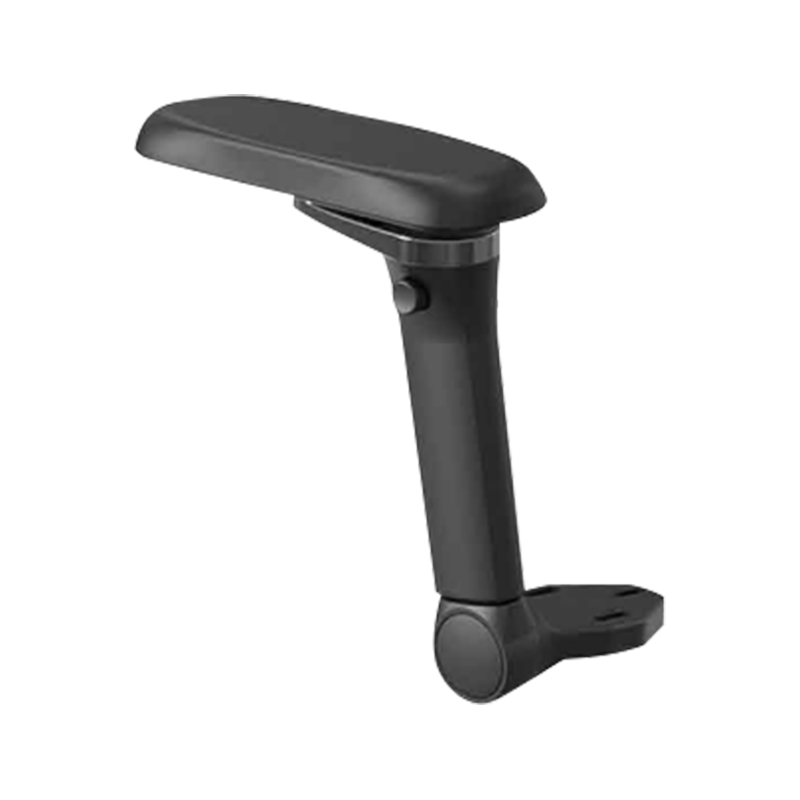
A 3D chair armrest is an adjustable arm support system built to move in multiple directions, usually height, forward-and-back, and side-to-side. For chair manufacturers, that single component decides how comfortable, competitive, and durable the finished seating product turns out to be.
Why the armrest choice matters for chair manufacturers
Different chair designs call for different armrest structures and adjustment ranges. The armrest shapes user experience, product positioning, and overall chair quality, so an ergonomic chair armrest chosen carelessly shows up later as complaints, warranty claims, or a product that simply cannot compete on comfort.
Core factors when selecting a 3D chair armrest
Four factors decide whether an armrest performs well across thousands of adjustment cycles and years in the field.
Height range, forward and backward travel, side-to-side movement, and rotation capability determine how well the armrest fits different users and sitting preferences. More adjustment options mean broader appeal across body types.
Support strength and internal mechanism durability decide whether the armrest holds its position under load and resists wear from repeated adjustment over the life of the chair.
Arm pad materials need a comfortable touch, wear resistance, and easy maintenance, while the structural components rely on reinforced plastic or metal for long-term mechanical durability.
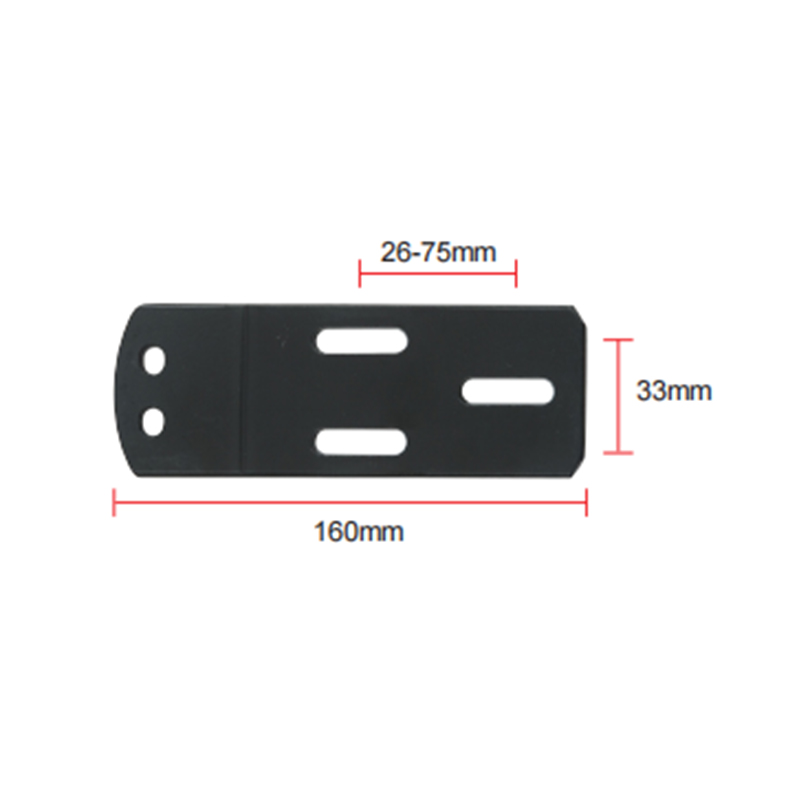
Mounting hole position, connection method, and chair frame structure all need to be confirmed in advance to avoid installation difficulties or compatibility problems on the production line.
How each adjustment feature affects performance
Each axis of movement on a 3D armrest solves a specific ergonomic problem for the end user.
Height adjustment
Aligns the arms with desk height and reduces shoulder pressure during long sitting sessions.
Forward and backward adjustment
Supports different sitting positions and improves arm placement relative to the desk edge.
Side adjustment
Provides personalized arm support and adapts to different body widths.
Rotation adjustment
Supports varied working postures and improves overall flexibility at the desk.
Common materials used in chair armrest construction
Material choice affects both manufacturing cost and long-term chair armrest mechanism reliability.
Plastic Components
Lightweight and suited to injection molding, keeping production cost-effective at scale.
Metal Support Structures
High strength and improved durability where the mechanism carries repeated load.
Soft Arm Pads
PU materials and foam padding reduce arm pressure and improve day-to-day comfort.
Evaluating 3D chair armrest quality before purchase
A reliable ergonomic chair components supplier should be able to demonstrate performance across four checks: movement smoothness and locking performance, durability under repeated adjustment cycles and load, consistent appearance and surface finish, and structural safety that protects the user under normal use.
3D chair armrest vs 2D and fixed armrest
Comparing adjustment range across armrest types shows why premium ergonomic chairs favor the 3D design.
| Feature | 3D Chair Armrest | 2D Armrest | Fixed Armrest |
| Height Adjustment | Yes | Yes | Limited |
| Forward/Backward Movement | Yes | Limited | No |
| Side Adjustment | Yes | No | No |
| Flexibility | High | Medium | Low |
| Application | Premium ergonomic chairs | Standard office chairs | Basic seating |
A 3D armrest system provides the greatest customization of the three, which is why it dominates premium ergonomic chair components and OEM chair production aimed at high-end buyers.
Choosing the right 3D armrest supplier
Sourcing decisions matter as much as the part itself. A strong 3D chair armrest supplier should offer solid manufacturing capability and precision production, engineering support during product development, a documented quality control system covering material inspection and functional testing, and genuine customization across adjustment functions, appearance, and mounting solutions.
 |
 |
Where 3D armrest technology is heading
Ergonomic chair components are trending toward more personalized adjustment ranges, lighter and stronger materials, smoother mechanisms, integration with smart office furniture, and more sustainable material sourcing across the supply chain.
Selection checklist
- Confirm the full adjustment range fits your target user group
- Verify load capacity and mechanism durability data
- Check arm pad material for comfort and wear resistance
- Match mounting holes and connection method to your chair frame
- Request quality control documentation from the supplier
- Ask about customization options before committing to volume


 Feel free to contact us

- Product Fast Links
- Office Chair
- Gaming Chair
- Ergonomic Chair Accessories
- Contact Information
- Tangpu Industrial Park, Anji County, Huzhou City, Zhejiang Province, China
- [email protected]
- +86-13567973388

