


 English
  Español
  عربى
عربى 
Are Office Chair 3D Armrest Pads Made of PU or TPU Better for Heavy Daily Use?
Content
- 1 1. Material Science: Comparing PU vs TPU for Armrest Pads
- 2 2. Durability and Lifecycle for Heavy Daily Use
- 3 3. Ergonomics and User Interface Optimization
- 4 Conclusion: Scientific Selection for Superior Seating
- 4.1 Frequently Asked Questions (FAQ)
- 4.1.1 1. Which is better for sweat resistance, PU or TPU?
- 4.1.2 2. Can I use waterproof 3D armrest pads on any chair?
- 4.1.3 3. How to clean 3D armrest pads without damaging them?
- 4.1.4 4. What are the 3D armrest pivot adjustment benefits?
- 4.1.5 5. Why are choosing 3D armrests for gaming chairs so important?
- 4.2 Industry References
- 4.1 Frequently Asked Questions (FAQ)
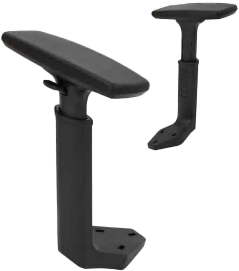
In the high-intensity environment of modern workspaces, the ergonomic interface between the user and the furniture often dictates long-term productivity and physical health. The office chair 3d armrest has become a standard requirement for adaptive support, offering height, depth, and pivot adjustments. However, a critical engineering question remains: which material provides the ultimate durability for the contact pads? Anji Xielong Furniture Co., Ltd., established in 2019, specializes in the R&D and production of high-quality adjustable armrests. As a leading shaper of the main accessories business, we prioritize "Quality First" in every office chair 3d armrest we manufacture. This article provides a technical comparison of Polyurethane (PU) and Thermoplastic Polyurethane (TPU) to determine the best material for office chair armrest pads in heavy-use scenarios.
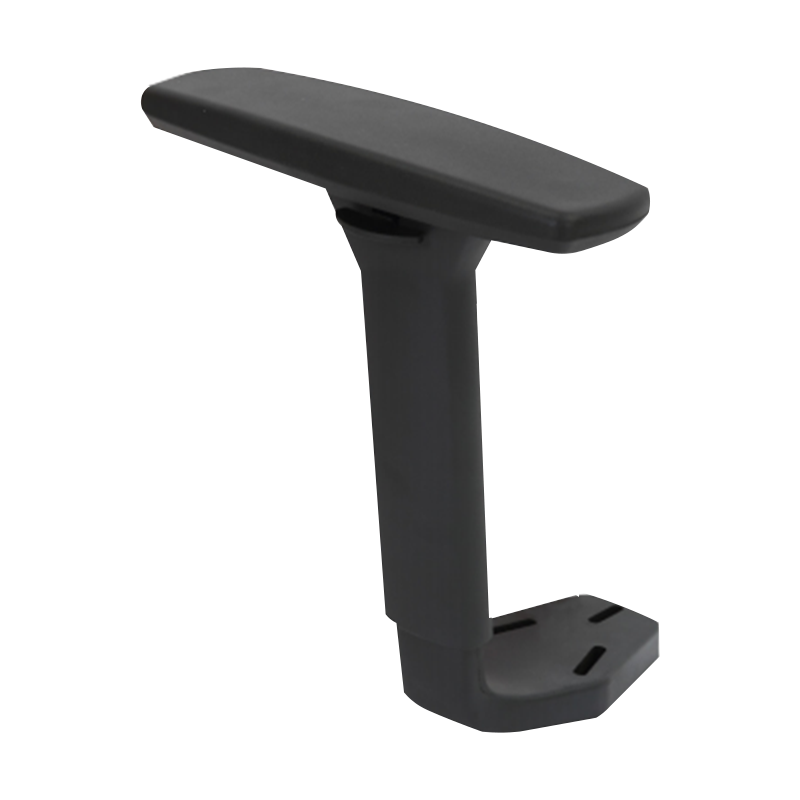
1. Material Science: Comparing PU vs TPU for Armrest Pads
When evaluating PU vs TPU armrest pads for office chairs, one must consider the molecular structure and its reaction to constant pressure and friction. PU (Polyurethane) is generally softer and provides a "skin-like" tactile experience, making it a popular choice for ergonomic office chair 3D armrests. TPU, however, is a hybrid material that bridges the gap between hard plastics and soft rubbers, offering significantly higher abrasion resistance. While PU provides a superior initial "soft touch," TPU excels in resisting chemical degradation from skin oils and cleaning agents. For those replacing office chair armrest pads in a corporate setting, understanding these polymer differences is essential for reducing replacement cycles.
Technical Performance Comparison
- Tactile Comfort: PU offers a cushioned, compliant surface that reduces pressure on the ulnar nerve.
- Surface Hardness: TPU generally has a higher Shore A hardness, providing a firmer, more supportive feel.
- Environmental Stress: TPU maintains its integrity better in high-humidity or high-temperature environments.
| Property | PU (Polyurethane) | TPU (Thermoplastic Polyurethane) |
| Abrasion Resistance | Moderate | Excellent |
| Tactile Softness | High (Soft-touch) | Moderate (Firm) |
| Oil & Chemical Resistance | Good | Exceptional |
| Production Process | Reaction Injection Molding (RIM) | Injection Molding |
2. Durability and Lifecycle for Heavy Daily Use
Heavy daily use involves thousands of hours of forearm contact, which can lead to material "pitting" or delamination. How to clean 3D armrest pads correctly can extend their life, but the inherent durability of TPU armrest pads for heavy use often makes them the preferred choice for 24/7 call centers or gaming stations. PU pads may eventually suffer from "hydrolysis"—a breakdown of the polymer chain when exposed to moisture—whereas waterproof 3D armrest pads made of high-grade TPU are virtually immune to this effect. When choosing 3D armrests for gaming chairs, users often prioritize the high-friction resistance of TPU to prevent the surface from becoming "shiny" or slippery over time. Anji Xielong Furniture Co., Ltd. utilizes advanced 3D armrest height adjustment mechanisms to ensure that the mechanical structure matches the longevity of the pad material.
Engineering Longevity Sequence
- Initial Compliance: Testing the pad's compression set after 100,000 cycles of localized pressure.
- Chemical Resistance: Exposing the surface to synthetic sebum to simulate long-term wear of PU armrest pads.
- Structural Integrity: Evaluating the bond between the pad and the internal office chair 3D armrest frame.
| Usage Scenario | Recommended Material | Key Reasoning |
| Executive/Premium Office | PU (Polyurethane) | Premium tactile feel and luxury aesthetics. |
| 24/7 Intensive Use | TPU | Maximum resistance to wear and tearing. |
| Healthcare/Lab Settings | TPU | Superior resistance to harsh disinfectants. |
3. Ergonomics and User Interface Optimization
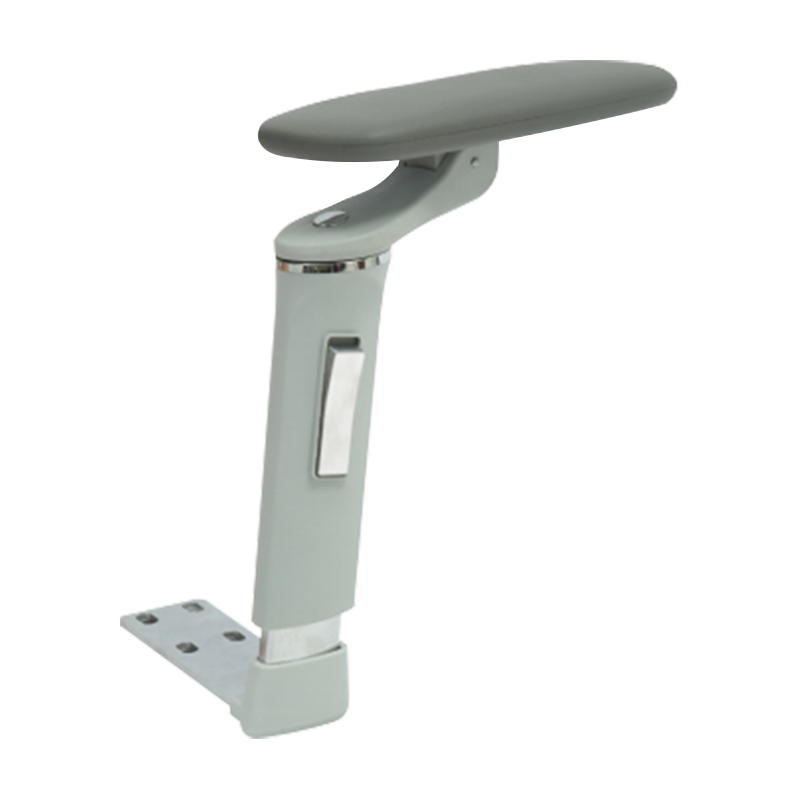
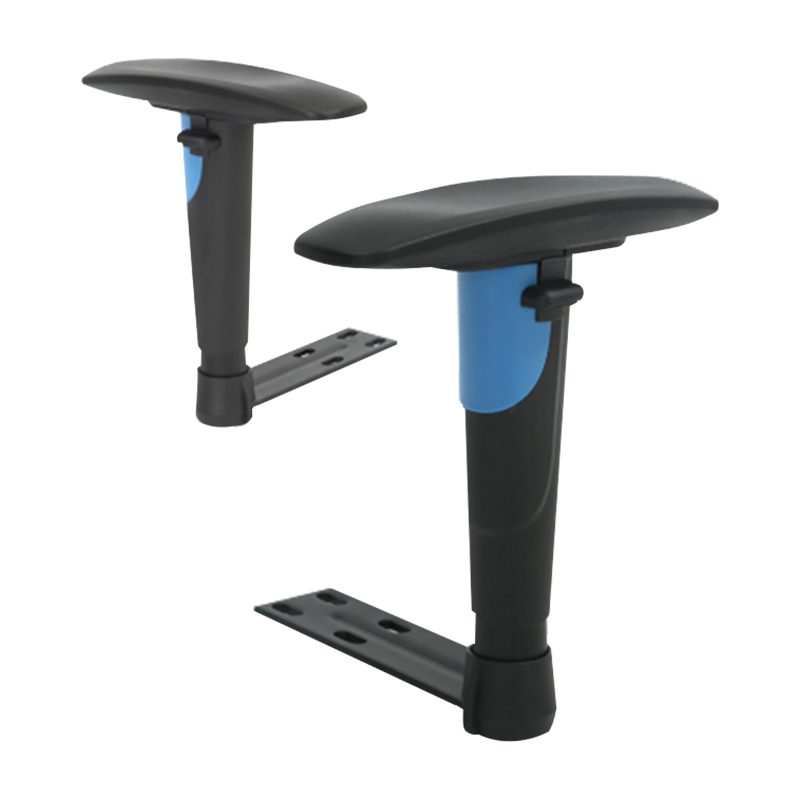
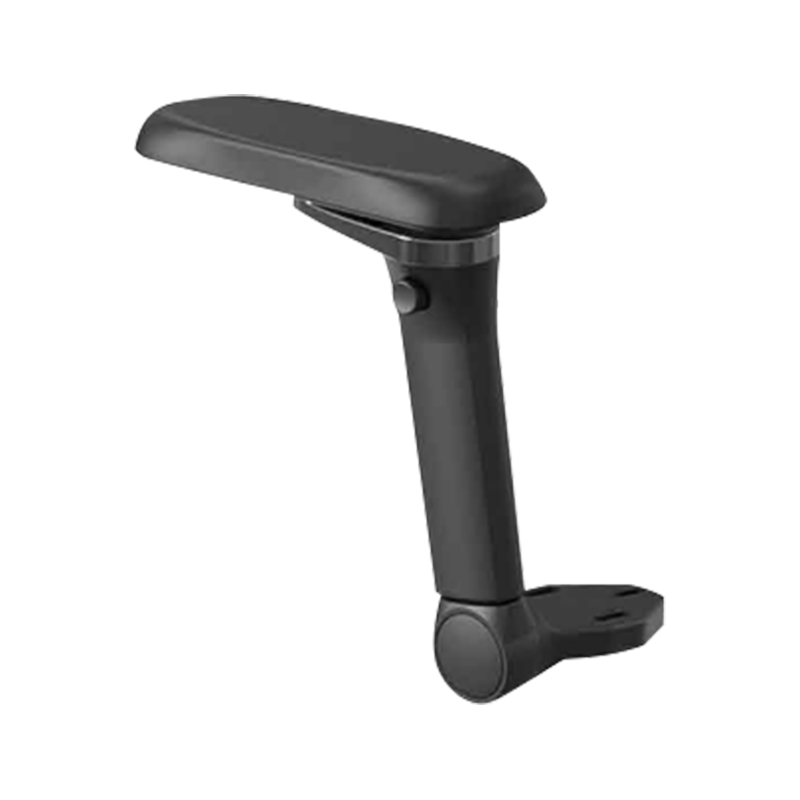
The functionality of the office chair 3d armrest goes beyond material durability; it includes the 3D armrest pivot adjustment benefits that allow users to angle their support during typing or mouse usage. Soft touch 3D armrest features are often achieved by over-molding a soft PU skin over a denser core, providing both comfort and stability. For engineers, the goal is to balance the office chair armrest pad repair vs replacement cost. While TPU is harder to damage, high-quality PU pads designed by specialists like Anji Xielong Furniture Co., Ltd. are engineered with anti-aging additives to bridge the gap in performance. Whether you are upgrading office chair armrests for ergonomics or manufacturing new seating, the choice between PU and TPU should be based on the specific "wear profile" of the end-user.
Conclusion: Scientific Selection for Superior Seating
In conclusion, while PU offers the "gold standard" for tactile comfort in premium office chair 3d armrest applications, TPU is the undisputed champion for sheer durability in heavy-duty environments. At Anji Xielong Furniture Co., Ltd., we adhere to the purpose of "Quality First, Customers First," ensuring that our R&D processes provide both material options to meet diverse market needs. By sincerely cooperating with colleagues in the furniture field, we continue to innovate and expand, delivering ergonomic office chair 3D armrests that define the future of workspace comfort. Choosing the right material ensures a win-win situation for both the manufacturer's reputation and the user's daily experience.
Frequently Asked Questions (FAQ)
1. Which is better for sweat resistance, PU or TPU?
TPU is technically superior for sweat resistance. It has a tighter molecular structure that resists the penetration of skin oils and moisture, which can cause long-term wear of PU armrest pads.
2. Can I use waterproof 3D armrest pads on any chair?
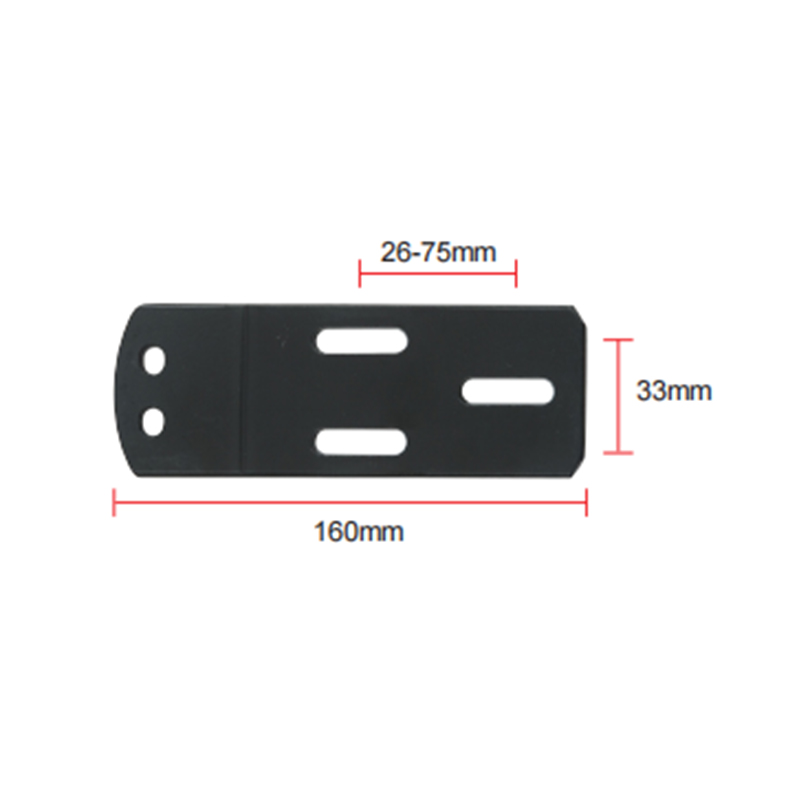
Most office chair 3d armrest pads are designed for specific mounting patterns. When replacing office chair armrest pads, ensure the screw hole spacing matches your existing 3D mechanism.
3. How to clean 3D armrest pads without damaging them?
For both PU and TPU, use a mild soap and water solution. Avoid harsh alcohol-based cleaners on PU, as they can accelerate the drying and cracking of the surface.
4. What are the 3D armrest pivot adjustment benefits?
Pivot adjustment allows the armrest to follow the natural angle of your forearms when moving from a typing position to a mouse-intensive position, significantly reducing shoulder strain.
5. Why are choosing 3D armrests for gaming chairs so important?
Gamers often maintain static positions for long periods. A best material for office chair armrest pads like TPU ensures that the high-friction areas don't wear down during intense movement.
Industry References
- BIFMA X5.1: American National Standard For Office Furnishings - General Purpose Office Chairs.
- ISO 21015: Office furniture — Office work chairs — Test methods for the determination of stability, strength, and durability.
- Polymer Engineering Science: "Comparative analysis of PU and TPU hydrolysis in office environments" (2024).
- Anji Xielong Technical Archive: "Cycle testing of 3D adjustable armrest mechanisms."


 Feel free to contact us

- Product Fast Links
- Office Chair
- Gaming Chair
- Ergonomic Chair Accessories
- Contact Information
- Tangpu Industrial Park, Anji County, Huzhou City, Zhejiang Province, China
- [email protected]
- +86-13567973388

