


 English
  Español
  عربى
عربى 
2D Adjustable Armrest vs. 4D: Is the Extra Flexibility Worth the Investment for High-End Office Chairs?
Content
- 1 The Mechanical Foundation: Defining 2D and 4D Adjustment Tiers
- 2 Ergonomic Efficiency: Why 2D Often Wins for Corporate Procurement
- 3 Analyzing the ROI: Is the 4D Investment Justified?
- 4 Customization and Quality Control in Manufacturing
- 5 Frequently Asked Questions (FAQ)
- 6 Technical Specification Sheet: Professional Series 2D Adjustable Armrest
- 7 Industry References
In the competitive landscape of ergonomic furniture manufacturing, the choice of components defines the value proposition of the final product. For B2B buyers and office furniture wholesalers, selecting the right ergonomic office chair armrest components is a critical decision that balances cost-efficiency with user health. While 4D armrests offer the maximum range of motion, the 2d adjustable armrest remains a staple in high-end office environments due to its structural stability and focused functionality. Anji Xielong Furniture Co., Ltd., established in 2019, specializes in the R&D and production of these essential accessories, adhering to a "Quality First" philosophy to ensure every component enhances the workspace experience.
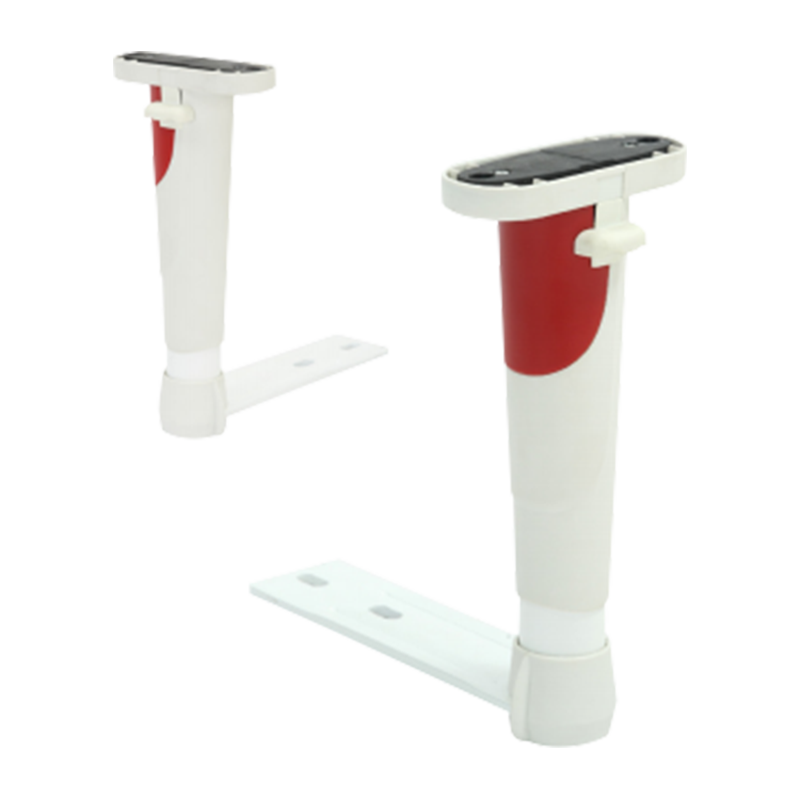
The Mechanical Foundation: Defining 2D and 4D Adjustment Tiers
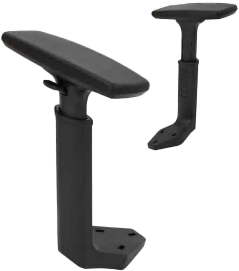
Understanding the mechanical differences requires looking at the degrees of freedom (DoF) integrated into the armrest stem and pad. A 2d adjustable armrest typically focuses on the two most critical ergonomic movements: height adjustment and rotation (pivot). In contrast, a 4D armrest adds width and depth (forward/backward) adjustments. From an engineering perspective, the 2D variant provides a more rigid internal locking mechanism, which often results in less "wobble" over long-term use compared to highly complex 4D systems.
Comparison of Adjustment Dimensions
The 2D system prioritizes vertical support and alignment with the desk surface, whereas the 4D system aims for total anatomical customization at the cost of mechanical complexity.
| Feature | 2D Adjustable Armrest | 4D Adjustable Armrest |
| Adjustment Planes | Height + Pivot (Rotation) | Height, Pivot, Slide, and Width |
| Mechanical Complexity | Lower (Higher durability) | Higher (More potential wear points) |
| Structural Rigidity | Excellent (Minimal lateral movement) | Moderate (Prone to slight "play") |
| Cost Factor | Optimized for high ROI | Premium/Investment Tier |
Ergonomic Efficiency: Why 2D Often Wins for Corporate Procurement
For large-scale corporate fit-outs, height adjustable armrests for chairs are the non-negotiable standard. The 2D configuration provides the essential support needed to maintain a 90-degree elbow angle, which is the primary defense against repetitive strain injuries (RSI). Because 2D arms have fewer moving parts, they are easier for employees to adjust quickly, leading to higher actual usage of the ergonomic features. Anji Xielong Furniture Co., Ltd. focuses on precision-engineered 2D solutions that offer smooth transitions and secure locking, ensuring that wholesale adjustable chair arms meet the rigorous demands of 24/7 office use.
- Reduced Maintenance: Fewer internal springs and sliders mean fewer points of failure in high-traffic offices.
- Aesthetic Consistency: 2D arms often maintain a sleeker profile, fitting better with modern minimalist office designs.
- Weight Capacity: The simplified structure allows for higher downward pressure ratings without compromising the locking teeth.
Analyzing the ROI: Is the 4D Investment Justified?
When sourcing durable 2d arms for office seating, wholesalers must weigh the "feature bloat" of 4D arms against actual user needs. While gamers or specialized creative professionals might benefit from 4D flexibility, the average task-based office worker rarely utilizes depth or width sliding features. For high-end office chair lines, incorporating a high-quality 2d adjustable armrest can provide a premium feel and sufficient ergonomics while keeping the price point attractive for volume buyers.
Engineering Stability vs. User Flexibility
A 2D armrest offers a stable platform for heavy typing tasks, while 4D arms can sometimes feel "loose" due to the multiple sliding tracks required for 4-way movement.
| Metric | Standard 2D Configuration | Premium 4D Configuration |
| Lifespan (Cycles) | >100,000 height adjustments | Approx. 80,000 (varies by slide quality) |
| User Learning Curve | Instant (Intuitive) | Requires manual/tutorial |
| B2B Market Demand | High (Bulk Corporate) | Niche (Executive/Gaming) |
Customization and Quality Control in Manufacturing
As a shaper of the main accessories business, Anji Xielong Furniture Co., Ltd. integrates R&D to ensure that even "simple" 2D components reflect high-end quality. Choosing a multifunctional chair armrest for B2B means looking at the material of the arm pad—PU (polyurethane) vs. plastic—and the smoothness of the height-adjust trigger. By pursuing higher quality products through constant innovation, we ensure that our partners receive components that reduce "after-sales" complaints and enhance the brand reputation of the final chair assembly.
Frequently Asked Questions (FAQ)
- Q1: Can a 2D armrest be upgraded to a 4D version later?
A: Generally, no. The mounting brackets and internal stem mechanisms are fundamentally different. It is more cost-effective to specify the adjustment level during the initial procurement phase. - Q2: Why do some 2D armrests feel more stable than 4D ones?
A: 2D armrests have fewer sliding tracks. Each added dimension in a 4D armrest requires a new set of tolerances, which can lead to cumulative mechanical "play" or wobbling. - Q3: Is PU padding standard on Anji Xielong 2D armrests?
A: Yes, we offer high-quality PU pads that provide a soft-touch surface while maintaining the durability required for long-term commercial use. - Q4: How does height adjustment range impact ergonomics?
A: A standard height adjustable armrest for chairs should offer at least 60-100mm of travel to accommodate different torso lengths and desk heights. - Q5: Are 2D armrests suitable for high-end executive chairs?
A: Absolutely. Many high-end designs prefer 2D arms because they offer a cleaner look and a more solid feel, which is often associated with premium craftsmanship.
Technical Specification Sheet: Professional Series 2D Adjustable Armrest
This technical data sheet provides the mechanical parameters and material certifications for the 2d adjustable armrest series manufactured by Anji Xielong Furniture Co., Ltd. These components are engineered for integration into high-end ergonomic office chair armrest components, ensuring compliance with global safety and durability standards.
1. Mechanical Dimensions & Adjustment Range
Precision in the height-adjustment track is critical for preventing mechanical fatigue. Our 2D series utilizes a reinforced internal ratchet system that provides audible feedback and secure locking at every interval.
| Specification | Value/Range | Engineering Detail |
| Vertical Travel (Height) | 65mm - 100mm | Multi-stage locking positions (8-10 points) |
| Pivot Range (Rotation) | ± 15° - 30° | Internal spring-loaded detent mechanism |
| Stem Diameter | Standard 20mm - 25mm | Cold-rolled steel or reinforced nylon options |
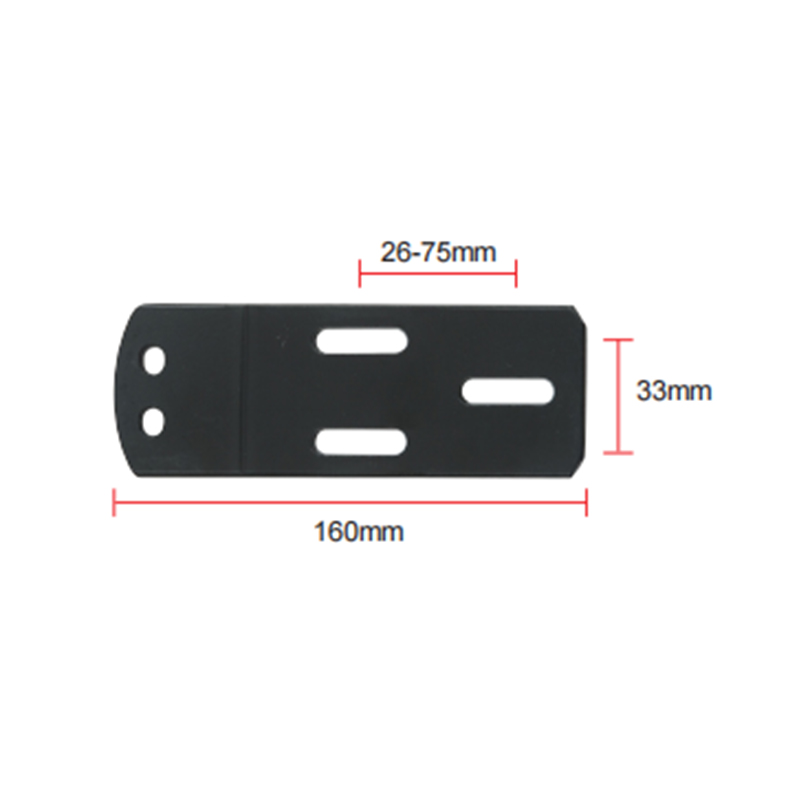
| Mounting Hole Distance | Standard 40mm / 55mm | Compatible with most wholesale adjustable chair arms |
2. Material Composition & Surface Engineering
Longevity in height adjustable armrests for chairs is determined by the skin-contact material and the friction-coefficient of the internal sliders. We prioritize high-grade polymers to ensure a "premium feel" without the risk of material degradation.
- Arm Pad Material: Self-skinning Polyurethane (PU) Foam. Hardness: Shore 55-65A (Balances comfort with abrasion resistance).
- Internal Support: Glass-fiber reinforced Polyamide (PA+GF30%) for maximum tensile strength.
- Trigger Mechanism: High-cycle POM (Polyoxymethylene) for low-friction, smooth height transitions.
- Environmental Compliance: All materials are 100% Lead-free and comply with REACH and RoHS standards.
3. Durability & Safety Testing (BIFMA/ISO Standards)
To support B2B quality assurance, our durable 2d arms for office seating undergo rigorous stress testing in our dedicated facility. These tests simulate 10+ years of intensive corporate usage.
| Test Type | Standard Requirement | Xielong Performance |
| Vertical Static Load | 900 N (Approx. 200 lbs) | Passed > 1100 N without deformation |
| Vertical Fatigue Test | 60,000 Cycles | Tested to 100,000+ Cycles |
| Impact Resistance | Drop Test (Standard Height) | Zero structural cracking at -10°C |
| Salt Spray Test | 24 - 48 Hours | 72 Hours (Corrosion-free metal components) |
4. B2B Customization & Integration Services
Understanding that every multifunctional chair armrest for B2B must fit a specific brand identity, Anji Xielong Furniture Co., Ltd. provides comprehensive OEM/ODM services:
- Logo Integration: Permanent laser etching or mold-inlays on the armrest stem or trigger.
- Color Matching: Custom RAL/Pantone matching for the PA housing and PU pads.
- Texture Options: Micro-matte, leather-grain, or smooth-touch surface finishes available through CNC mold texturing.
By adhering to our "Quality First, Customers First" purpose, we ensure that our 2d adjustable armrest components provide the structural backbone for the world's leading office seating brands.
Industry References
- ANSI/BIFMA X5.1: American National Standard for Office Furnishings - General Purpose Office Chairs.
- ISO 21015: Office furniture — Office work chairs — Methods for the determination of stability, strength and durability.
- Cornell University Ergonomics Web: Guidelines for choosing ergonomic office chairs and armrest positioning.
- European Standard EN 1335: Office furniture - Office work chair dimensions and safety requirements.


 Feel free to contact us

- Product Fast Links
- Office Chair
- Gaming Chair
- Ergonomic Chair Accessories
- Contact Information
- Tangpu Industrial Park, Anji County, Huzhou City, Zhejiang Province, China
- [email protected]
- +86-13567973388

